
Imagine hitting the open road, the wind in your hair, and the freedom to roam wherever your heart desires. Now, picture doing it with the convenience of a bathroom right in your camper van. For many, the idea of a camper van with a bathroom transforms the van life dream into a practical reality. Whether you’re a weekend warrior or a long-distance traveler, having a private bathroom ensures comfort and independence. This post dives into the world of camper van bathrooms, exploring their designs, benefits, and challenges. From composting toilets to wet baths, we’ll uncover what makes these setups fascinating and functional, guiding you toward the perfect van life experience.
Why Choose a Camper Van with a Bathroom?
The allure of van life lies in its simplicity and freedom, but basic needs like hygiene can complicate things. A camper van with a bathroom solves this by offering a private, self-contained space for showering and toileting. Unlike relying on public facilities or dump stations, an onboard bathroom provides convenience and peace of mind, especially during dispersed camping or off-grid adventures. According to a 2023 RV Industry Association study, 65% of RV owners prioritize onboard bathrooms for comfort (https://www.rvia.org/news-insights/rv-consumer-demographics).
This feature elevates the van life experience, particularly for long-distance travelers. Picture yourself boondocking in a remote forest, far from public restrooms. A camper van bathroom lets you freshen up without breaking camp. However, space constraints in vans like the Sprinter Van or Ford Transit mean creative solutions are key. From cassette toilets to hidden bathrooms, these designs maximize functionality in tight quarters, making every inch count.
Types of Camper Van Bathroom Options
Camper van bathrooms come in various forms, each suited to different needs and van layouts. Wet baths, combining a shower and toilet in one compact space, are popular in Class B RVs like the Winnebago Revel. They save space but require careful water management. Composting toilets, like the Laveo toilet, offer an eco-friendly option, separating waste without needing black water tanks. Cassette toilets, found in models like the Roadtrek Zion, are portable and easy to empty at chemical disposal points.
Alternatively, some vans use portable toilets or even pee funnels and jars for minimalist setups. For those prioritizing sustainability, composting toilets align with Leave No Trace principles, reducing environmental impact. Each option has trade-offs: wet baths need water tanks and plumbing systems, while cassette toilets demand regular emptying. Choosing the right setup depends on your travel style, van chassis, and commitment to maintenance, ensuring your bathroom fits your adventure.
Designing a Custom Bathroom Van: Key Considerations
Building a custom bathroom van is a thrilling yet daunting task. My first van build project taught me the importance of planning. I opted for a Sprinter 144” chassis, aiming for a hidden bathroom to save space. Key elements include water storage, waste tanks, and ventilation. Water tanks, paired with a water heater, ensure hot showers, while grey water tanks collect runoff. A vent fan, like those in the Webasto Dual Top EVO 6, prevents moisture buildup.
Plumbing systems require careful installation to avoid leaks, and aluminum shower pans add durability. For power, solar panels or lithium batteries support off-grid setups, powering LED lighting and water heaters. Insulation layers keep the bathroom cozy, especially in colder climates. However, space is a constant challenge. Balancing storage, a natural latex foam mattress, and a folding faucet requires ingenuity. Plan thoroughly to create a functional, comfortable space that enhances your van life.
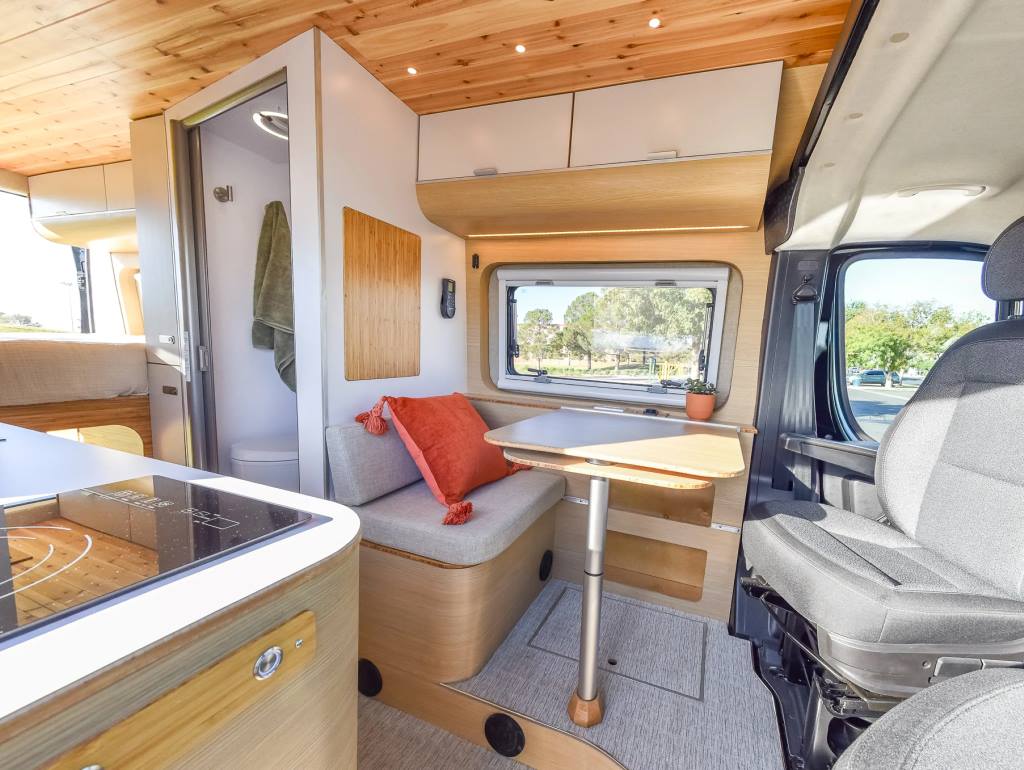
Pros and Cons of Camper Van Bathrooms
Camper van bathrooms offer undeniable benefits but come with challenges. Here’s a breakdown:
- Pros:
- Convenience: Shower and use the toilet without relying on public facilities.
- Privacy: Enjoy personal space, ideal for long road trips.
- Sustainability: Composting toilets and solar shower setups reduce environmental impact.
- Flexibility: Hidden bathrooms or cassette-style toilets fit various van layouts.
- Cons:
- Space Constraints: Bathrooms reduce living or storage space in compact vans.
- Maintenance: Regular cleaning and waste disposal (e.g., at dump stations) are necessary.
- Cost: Plumbing, water heaters, and waste tanks increase build expenses.
- Weight: Water and waste tanks add weight, impacting fuel type efficiency.
Despite these trade-offs, a well-designed bathroom enhances van life, especially for those embracing Leave No Trace principles. Weigh your priorities to decide if the investment suits your travel needs.
Top Camper Van Models with Bathrooms
Several Class B motorhomes shine for their bathroom designs. The Winnebago Revel, with its wet bath and 4-wheel drive, is ideal for off-grid adventurers. The Airstream Interstate Nineteen offers a sleek, compact bathroom with a shower pan and cassette toilet. The Roadtrek Zion balances space with a functional wet bath, while the Pleasure-Way Lexor FL includes a stylish hidden bathroom. The Sportsmobile Sprinter RB-151S caters to custom builds, allowing tailored plumbing systems.
These models often feature extras like rear view cameras, exterior awnings, and pop-top beds, enhancing the experience. For instance, the Revel’s diesel heater and 48v Powerhouse system support off-grid power solutions. However, no bathroom options exist in some minimalist vans, like certain Dodge Promaster builds. Research models thoroughly to match your needs, ensuring your camper van bathroom aligns with your travel goals (https://www.outsideonline.com/outdoor-gear/camping/best-class-b-rvs-2023/).
Maintaining Your Camper Van Bathroom
Maintaining a camper van bathroom is crucial for hygiene and functionality. Regular cleaning prevents odors, especially in wet baths or cassette-style toilets. Empty black or grey water tanks at full RV dump stations to avoid overflow. Composting toilets require specific toilet paper to break down waste effectively. For emergencies, keep Wag bags or portable toilets as backups, especially during long road trips.
Ventilation is key—use a vent fan to reduce moisture and mold. Check water lines and hot water lines for leaks, particularly in custom builds. My first trip in a van with a DIY bathroom taught me to inspect the waste tank regularly; a small leak nearly ruined a trip. Schedule maintenance checks before long-distance travel to ensure your plumbing system and water heater function smoothly, keeping your bathroom ready for any adventure.
Eco-Friendly Bathroom Solutions for Van Life
Sustainability is a growing focus in van life, and camper van bathrooms can align with eco-conscious values. Composting toilets, like the Laveo, minimize water use and waste, supporting Leave No Trace principles. Solar shower setups, powered by solar panels, reduce reliance on fuel-based water heaters. Grey water tanks collect runoff for proper disposal, preventing environmental harm during dispersed camping.
For minimalists, pee funnels or jars offer low-impact solutions, while garbage bags and Wag bags ensure waste is managed responsibly. My experience camping in national parks showed me the value of these systems—proper waste disposal kept the environment pristine. Additionally, using biodegradable toilet paper and eco-friendly cleaning products enhances your green footprint. By choosing sustainable options, you contribute to preserving the natural beauty that makes van life so appealing.
Embrace the Freedom of a Camper Van with a Bathroom
A camper van with a bathroom unlocks a world of freedom, blending the thrill of the open road with the comfort of home. From wet baths to composting toilets, these setups cater to diverse needs, ensuring hygiene and convenience wherever you roam. While challenges like maintenance and space constraints exist, the benefits—privacy, flexibility, and sustainability—make it worthwhile. Whether you’re eyeing a Winnebago Revel or building a custom bathroom van, the right setup transforms van life into a seamless adventure. Share your van life dreams or bathroom tips in the comments below, or spread this guide to inspire others!
FAQs
What is the best camper van bathroom option for off-grid camping?
Composting toilets, like the Laveo, are ideal for off-grid camping. They require no water and align with Leave No Trace principles, making waste disposal eco-friendly and simple.
How much space does a camper van bathroom require?
A wet bath or hidden bathroom typically needs 3-5 square feet, depending on the van layout. Compact designs like cassette toilets save space in smaller vans.
Are cassette toilets hard to maintain in a camper van?
Cassette toilets are easy to maintain. Empty them at chemical disposal points or dump stations, clean regularly, and use specific toilet paper to prevent clogs.
Can I install a bathroom in a small van like a Dodge Promaster?
Yes, a Dodge Promaster can fit a compact wet bath or cassette toilet. Hidden bathrooms or portable toilets work well to maximize space in smaller vans.
How do I manage grey water in a camper van bathroom?
Use a grey water tank to collect shower and sink runoff. Empty it at designated dump stations to ensure proper waste disposal and environmental care.