
Planning your campervan lighting? Whether you’re doing a full van conversion or a lighting upgrade, choosing the correct wire size for campervan puck lights is a decision you don’t want to overlook. Using the wrong wire can cause excessive voltage drop, dim lights, overheating, or even fire hazards.
This guide explains everything you need to know about what size wire to use for campervan puck lights, how to calculate it, common mistakes to avoid, and the materials you’ll need for a safe and efficient lighting setup.
What Size Wire for Campervan Puck Lights? Quick Answer
For most standard 12V campervan puck light installations, 16 AWG wire is a safe and commonly used size. If you’re only powering a few lights over a short distance, 18 AWG can suffice. For longer wire runs or higher wattage lighting systems, 14 AWG may be more appropriate.
But wire size depends on three main factors:
-
The voltage of your system (usually 12V)
-
The total wattage of the lights
-
The length of the wire run
Understanding Campervan Electrical Systems
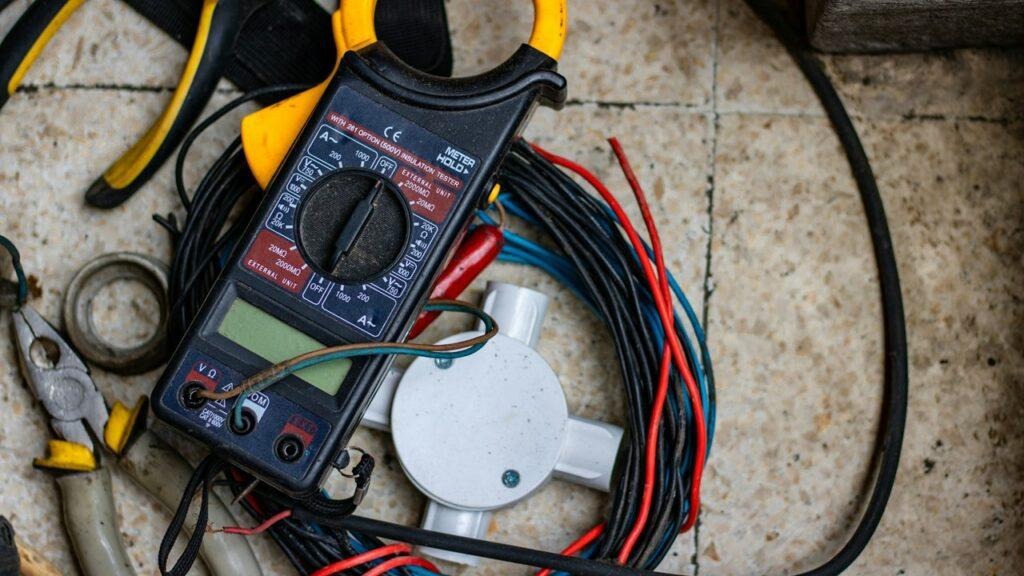
Campervans run on a 12-volt direct current (DC) electrical system. This is ideal for LED puck lights because they are energy-efficient and designed for low-voltage use. However, DC power is more sensitive to voltage drop than AC, which means you must size your wires carefully.
The longer the wire and the more power the lights consume, the greater the resistance, leading to voltage drop. This can cause lights to flicker, dim, or burn out prematurely. That’s why wire sizing isn’t just about thickness—it’s about ensuring consistent performance and safety.
How to Calculate the Correct Wire Size for Campervan Puck Lights
To choose the right wire gauge, you need to calculate the amperage and allowable voltage drop for your puck light system. Here’s how:
Factors to Consider
-
Voltage: 12V (standard in campervans)
-
Wattage: Add up the total wattage of all connected puck lights
-
Current (Amps): Amps = Total watts ÷ voltage (12V)
-
Distance: Total length of the wire (out and back)
Voltage Drop Target
Aim to keep voltage drop below 3% for lighting circuits. This keeps lights operating at full brightness and avoids heat buildup in the wire.
Sample Calculation
Let’s say:
-
You install 6 puck lights, each consuming 3 watts
-
Total watts = 6 × 3 = 18 watts
-
Amps = 18W ÷ 12V = 1.5A
-
Total round-trip wire length = 20 feet
Plug these into a voltage drop calculator (like WireBarn’s calculator). You’ll see that 18 AWG is borderline acceptable, but 16 AWG or even 14 AWG is safer to reduce voltage drop.
Common Wire Sizes Used for Campervan Puck Lights
18 AWG Wire
-
Best for: Very short runs (less than 10 feet), low wattage setups
-
Pros: Flexible, easy to route
-
Cons: Not suitable for multiple lights or long wire runs
16 AWG Wire
-
Best for: Moderate-length runs up to 20-25 feet with typical LED lights
-
Pros: Versatile, common, safe for most puck light installations
-
Cons: Slightly thicker, a bit harder to maneuver
14 AWG Wire
-
Best for: Longer distances, multiple lights on the same circuit
-
Pros: Lower resistance, future-proof for adding lights
-
Cons: More expensive, bulkier to route in tight spaces
What Type of Wire Is Best for Campervan Puck Lights?
In addition to wire size (gauge), the type of wire matters.
Stranded vs. Solid Core
-
Stranded wire is best for mobile environments like campervans because it’s flexible and resistant to vibration.
-
Solid wire is rigid and can break under movement.
Marine-Grade or Automotive Wire
-
Marine-grade tinned copper wire resists corrosion and is ideal for humid environments.
-
Automotive primary wire is also suitable for campervans but may lack the durability of marine-grade.
Wire Jacket Type
-
Use wire with a durable jacket, such as PVC or silicone, rated for automotive use.
-
Look for UL or SAE certified wire for quality assurance.
Recommended Fuse and Protection Setup
Every circuit should be protected by a fuse, installed as close to the power source (battery or fuse box) as possible.
How to Choose the Right Fuse:
-
Fuse = 1.25 × total current draw
-
Example: If your puck light circuit draws 2A, use a 2.5A to 3A fuse
Also use:
-
Heat shrink tubing for all connections
-
Protective wire loom for sections routed through metal or tight spaces
Best Practices for Installing Wire for Campervan Puck Lights
Here are practical tips for clean, safe installation:
-
Label each wire at both ends to make future maintenance easier
-
Use junction boxes or terminal blocks for easy expansion
-
Avoid sharp bends and tight corners when routing wire
-
Use grommets when passing wire through metal to prevent abrasion
-
Secure wires every few inches with adhesive cable mounts or clips
And always test with a multimeter before connecting everything permanently.
Mistakes to Avoid When Choosing Wire Size for Campervan Puck Lights
Avoid these common errors:
-
Using undersized wire just because it’s cheaper
-
Ignoring total run length in your voltage drop calculation
-
Mixing wire gauges on the same circuit
-
Skipping fuses, which are essential for safety
-
Using non-tinned wire in humid environments, which corrodes easily
Real Campervan Builds: What Wire Size They Use for Puck Lights
Many experienced van builders and DIYers share similar advice:
-
16 AWG wire is the most common choice
-
For builds with more than 10 puck lights or long wire runs, 14 AWG is used
-
Most run their wires back to a central fuse box, using stranded, marine-grade wire for longevity
Sources like Parked In Paradise offer real wiring diagrams you can learn from.
FAQs: What Size Wire for Campervan Puck Lights?
Can I use 18 gauge wire for 12V puck lights?
Yes, but only for short runs (under 10 feet) and if you’re powering a few low-wattage LEDs. For longer runs or multiple lights, use 16 AWG or 14 AWG instead.
How many puck lights can I run on 16 gauge wire?
It depends on the total wattage and the wire run length. For example, 16 AWG can safely handle 5–10 LED puck lights over 20 feet if each uses 3 watts.
What happens if I use too small a wire?
Using an undersized wire causes voltage drop, dim lights, wire overheating, and potential fire hazards. Always size wire correctly for the load.
How long can a wire be before voltage drop becomes an issue?
Even 10–15 feet can cause noticeable drop on 12V circuits if the wire is too small. Use a voltage drop calculator to stay below 3% loss.
What is the best wire for LED puck lights in a van?
Stranded, marine-grade 16 AWG tinned copper wire with durable insulation is ideal for most campervan puck light installations.
Read More Also: DIY Campervan Build Guide: From Empty Shell to Adventure
Conclusion: Choosing the Right Wire for Safety and Efficiency
Getting the wire size for campervan puck lights right ensures a bright, efficient, and safe lighting system. Don’t guess—calculate your needs based on voltage, current draw, and run length. When in doubt, go a size up. Use quality stranded wire, fuse each circuit properly, and take time to route and secure your wiring carefully.
With the right wire, your campervan lighting system will be one less thing to worry about on the road.