
Embarking on a cross-country vanlife adventure is a dream for many. It’s the call of the open road, the freedom of self-sufficiency, and the thrill of waking up to a new view every day. However, turning this dream into reality takes careful planning, strategic decisions, and a willingness to adapt. Here’s how to plan the ultimate cross-country vanlife adventure that’s both unforgettable and hassle-free.
Define Your Route with Purpose
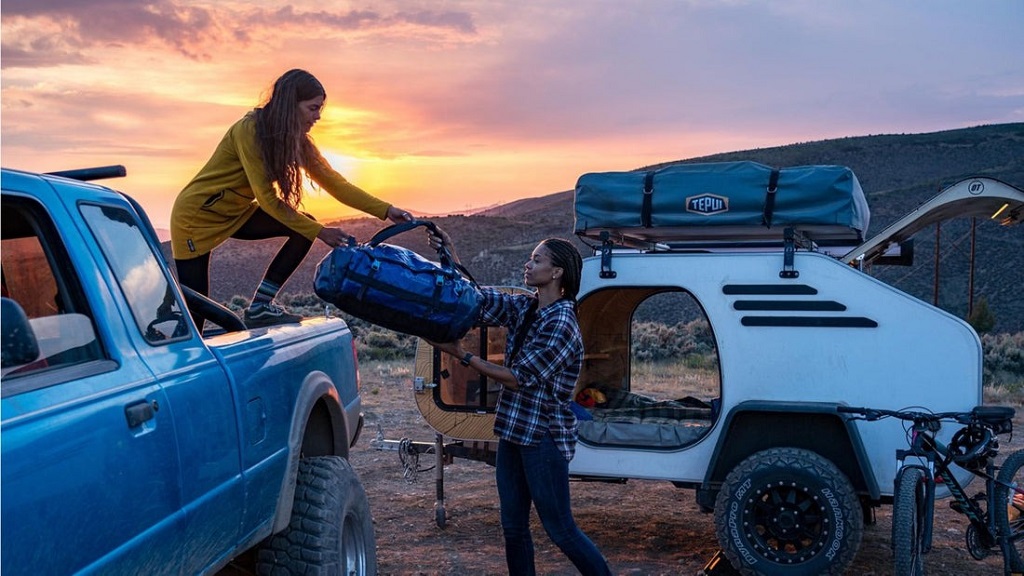
Start by mapping out your must-see destinations. Planning your route provides structure, helps with budgeting, and prevents unnecessary backtracking. Apps like Roadtrippers and Gaia GPS can help you find scenic byways, lesser-known parks, and gas stations along the way. According to a report by the U.S. Travel Association, 85% of American travelers opt for road trips that combine natural sights with urban exploration. Therefore, balance national parks with cultural hubs like Austin or Asheville.
Factor in seasonal weather conditions. Avoid the Rockies during deep winter unless you’re prepared for snow. Desert regions like Arizona and Nevada are stunning but brutal in midsummer. Use NOAA’s seasonal forecasts to time your journey for the best experience.
Choose the Right Van for the Long Haul
Your van is your home, transport, and safe haven. Whether you go for a high-roof Sprinter, a Ford Transit, or a custom rig, ensure it’s mechanically sound and built for endurance. Buying used? Get a pre-purchase inspection. Renting? Choose a company with nationwide support like Escape Campervans or Outdoorsy.
Look beyond aesthetics. Prioritize fuel efficiency, storage, and reliability. Diesel engines, for example, offer better mileage on long hauls but come with higher maintenance costs. Ensure your build includes proper insulation, ventilation, and essential systems like solar power and water storage.
Budget Like a Road Warrior
Most vanlifers underestimate the cost of a cross-country trip. Gas alone can consume over $2,000 for a 10,000-mile journey, especially with current fuel prices fluctuating nationwide. Add to that campgrounds, maintenance, food, and unexpected repairs.
Create a detailed spreadsheet. Break down expenses into categories: fuel, groceries, campsites, tolls, entertainment, and emergency funds. Save apps like GasBuddy to locate the cheapest gas stations en route. Consider cooking your own meals. A recent Statista report found that travelers who dine out daily spend up to 65% more than those who cook.
Maximize Comfort Without Overpacking
Packing too much can make your van feel cramped, but going too minimalist can leave you unprepared. Focus on dual-purpose gear and durable essentials. Use vacuum-sealed bags for clothing, collapsible kitchenware, and compact storage solutions like under-bed drawers or hanging organizers.
Bring only what supports your lifestyle. If you’re a digital nomad, invest in a mobile hotspot and solar power. If you love photography, prioritize camera gear. Always include a toolkit, first aid kit, headlamp, and spare parts like fuses and hoses.
Plan Your Overnight Stops Strategically
Spontaneity sounds romantic until you’re stuck in a Walmart parking lot with semi-trucks revving nearby. Use apps like iOverlander, Campendium, or FreeRoam to find safe and legal overnight options. National forests, BLM land, and Harvest Hosts (a subscription-based service) offer unique and often free experiences.
Avoid areas with strict overnight parking rules. Many cities now prohibit sleeping in vehicles, especially near beaches or downtown areas. Always read reviews and check local ordinances. Safety should come before scenery.
Stay Connected Without Losing the Magic
Off-grid doesn’t have to mean offline forever. Many vanlifers work remotely or need internet for navigation and communication. T-Mobile and Verizon offer nationwide hotspots, and Starlink has become a game-changer for those needing internet in remote areas.
However, remember to unplug regularly. Part of what makes a cross-country vanlife adventure magical is the disconnection from constant alerts. Schedule digital detox days when you explore hikes, local diners, or simply read under the stars.
Maintain Your Van Like Your Life Depends on It
Because it does. Frequent oil checks, tire inspections, and brake tests are critical. Use your van’s manual to schedule regular maintenance, and always carry essential fluids and tools. Breakdowns can derail your entire adventure.
Learn basic troubleshooting. YouTube channels like “The Fit RV” and “Kombi Life” offer DIY tutorials tailored for vanlifers. Prevention is always cheaper than emergency repairs, especially in remote areas.
Embrace the Unexpected
Even the most meticulously planned trips will hit bumps—weather changes, closed roads, or mechanical hiccups. Flexibility is your greatest asset. Build buffer days into your schedule and maintain an adaptable mindset. That closed trail might lead you to an even better spot you never considered.
According to a 2023 survey by CamperReport, 73% of vanlifers say their most memorable moments came from unexpected detours or local recommendations rather than planned destinations.
Connect with the Community
The vanlife community is one of the most resourceful and welcoming travel groups. Join online forums like Vanlife Reddit, Facebook groups like “Vanlife Classifieds,” and attend events such as VanFest or TinyFest. These networks provide everything from mechanic recommendations to campsite swaps.
Shared knowledge accelerates learning. Experienced vanlifers can warn you about sketchy parking areas, suggest hidden gems, or even become lifelong friends. No GPS beats human experience.
Frequently Asked Questions
How long should I plan for a cross-country vanlife trip?
It depends on your route, pace, and goals. Most travelers spend 2–3 months minimum to experience the journey fully.
Is it safe to sleep in your van across the country?
Yes, with proper precautions. Use trusted apps, park in well-lit areas, and trust your instincts. Avoid isolated areas if alone.
What’s the best van for long-term vanlife?
Popular models include the Mercedes Sprinter, Ford Transit, and Ram ProMaster. Choose based on your mechanical skill, budget, and space needs.
Can I work remotely while on a vanlife trip?
Absolutely. Many vanlifers are freelancers or remote workers. A solid Wi-Fi setup and solar power are essential.
Do I need insurance for my van conversion?
Yes. Inform your insurer about the conversion. Consider specialized policies like Roamly or Progressive’s RV insurance.
How do I find showers and laundry on the road?
Use apps like iOverlander, AllStays, or Planet Fitness memberships. Many truck stops also offer clean showers.
What’s the biggest mistake vanlifers make?
Underestimating maintenance and overloading their van. Both lead to expensive issues. Keep it light and well-maintained.
Final Thought
Knowing how to plan the ultimate cross-country vanlife adventure is more than drawing a line on a map. It’s a thoughtful balance of preparation and spontaneity, investment and freedom, safety and thrill. Each decision—from choosing your van to picking your route—shapes your experience. The open road waits for no one, but it rewards those who are ready. Let your journey be more than just miles traveled—make it a story worth telling.
Read More Also: Plan Your Journey for Every Season: Travel Guides for Vanlifers with Family
References: