
The hum of an electric vehicle (EV) is becoming an increasingly common sound, a testament to the global shift towards sustainable transportation. As more EVs hit the roads, the demand for accessible and efficient charging infrastructure skyrockets. This presents a unique challenge and opportunity for urban planners, architects, and developers: how do we integrate robust EV charging capabilities into our existing and future parking facilities? The answer, increasingly, lies in the intelligent design of metal parking structures.
This article delves deep into the multifaceted considerations of designing metal parking structures specifically optimized for Electric Vehicle Charging Stations (EVCS). We’ll explore everything from structural integrity and electrical infrastructure to user experience and future-proofing, ensuring your next parking project isn’t just a place to park, but a powerful hub for the electric revolution.
The Electric Imperative: Why Dedicated Design Matters
Gone are the days when a parking lot was merely a concrete slab. Today, it’s a vital component of urban infrastructure, and with the rise of EVs, its role is evolving dramatically. Simply retrofitting a few chargers into an existing structure often leads to inefficiencies, bottlenecks, and even safety concerns. Dedicated design for metal parking structures, however, offers a multitude of advantages:
- Optimized Space Utilization: Strategic placement of chargers minimizes clutter and maximizes the number of charging points, crucial in dense urban environments.
- Enhanced Electrical Capacity: Planning for significant power demands from the outset avoids costly and disruptive electrical upgrades down the line.
- Improved User Experience: Intuitive layouts, clear signage, and convenient charging access enhance the driver’s experience, encouraging EV adoption.
- Future-Proofing: Designing with scalability in mind allows for easy expansion as EV adoption continues to accelerate.
- Increased Property Value: Facilities with integrated, well-designed EVCS are more attractive to tenants, customers, and employees, boosting property value and appeal.
- Sustainability & Branding: Showcasing a commitment to sustainable practices through robust EV infrastructure enhances corporate social responsibility and brand image.
Structural Considerations: The Backbone of Your EV-Ready Parking Facility
Metal parking structures, often utilizing steel for their framework, offer inherent advantages for EVCS integration due to their strength, adaptability, and relatively quicker construction times. However, several critical structural considerations must be addressed:
Live Load Capacity:
EV charging equipment, while not excessively heavy on its own, adds to the overall live load. More importantly, the dynamic forces associated with vehicle ingress and egress, especially for larger EVs, must be accounted for. Structural engineers must ensure the floor slabs and supporting beams can safely accommodate these loads over the structure’s lifespan. Consider the impact of potential battery swapping stations in the future, which could introduce significantly higher point loads.
Vibration and Noise Attenuation:
While typically not a major concern for Level 2 chargers, rapid DC fast chargers (DCFCs) can generate some noise and vibration. The structural design should consider materials and construction techniques that help attenuate these, particularly if the parking structure is adjacent to residential or office spaces.
Corrosion Protection:
Metal structures, especially in coastal areas like Chattogram, are susceptible to corrosion. Given the presence of electrical equipment, robust corrosion protection measures for steel components are paramount. This includes appropriate coatings, galvanization, and regular maintenance schedules. The integrity of the electrical conduits and wiring also depends on a corrosion-resistant environment.
Fire Safety and Containment:
The presence of high-voltage electrical equipment introduces specific fire safety considerations. The structural design must incorporate fire-resistant materials and ensure proper compartmentalization to prevent the spread of fire. This includes fire-rated walls, floors, and passive fire protection systems around electrical rooms and charging equipment. Consider the potential for thermal runaway in EV batteries, and design for venting and containment.
Anchoring and Mounting:
Securely mounting charging stations, cable management systems, and associated electrical enclosures requires careful planning. The structural elements must provide adequate anchorage points, distributing the load effectively without compromising the integrity of the structure. This often involves embedded plates or specially designed fasteners.
Electrical Infrastructure: Powering the Future Fleet
This is arguably the most critical and complex aspect of designing EV-ready metal parking structures. Underestimating electrical demand can lead to significant cost overruns and operational limitations.
Load Calculation and Demand Management:
A comprehensive electrical load calculation is essential. This involves estimating the number of charging stations, their power levels (Level 2 AC, DC Fast Chargers), anticipated simultaneous usage, and future expansion needs. Implementing a robust Energy Management System (EMS) is crucial for intelligent load balancing and demand management, preventing costly peak demand charges and optimizing power distribution. This also allows for dynamic power sharing between chargers.
Service Entrance and Distribution:
The existing electrical service to the site may need substantial upgrades. Designing for a dedicated, high-capacity service entrance for the EVCS is often necessary. The internal electrical distribution network – including transformers, switchgear, feeders, and sub-panels – must be sized to handle the peak load and ensure reliable power delivery to each charging point.
Conduit and Wiring Pathways:
Planning for future expansion means oversizing conduits and creating accessible pathways for additional wiring. Running conduits within structural elements or in easily accessible utility chases minimizes disruption during future upgrades. Consider the thermal management of conduits carrying high currents.
Voltage Drop Mitigation:
As cable runs can be extensive in large parking structures, voltage drop becomes a concern. Proper conductor sizing is essential to minimize voltage drop and ensure efficient power delivery to the chargers, preventing performance degradation.
Metering and Billing Systems:
Implementing smart metering solutions is crucial for accurate billing, particularly in commercial or public parking facilities. Integrating with a robust EV charging network (e.g., ChargePoint, EVgo, Electrify America) allows for seamless payment processing, user authentication, and data collection.
Grid Connection and Renewable Integration:
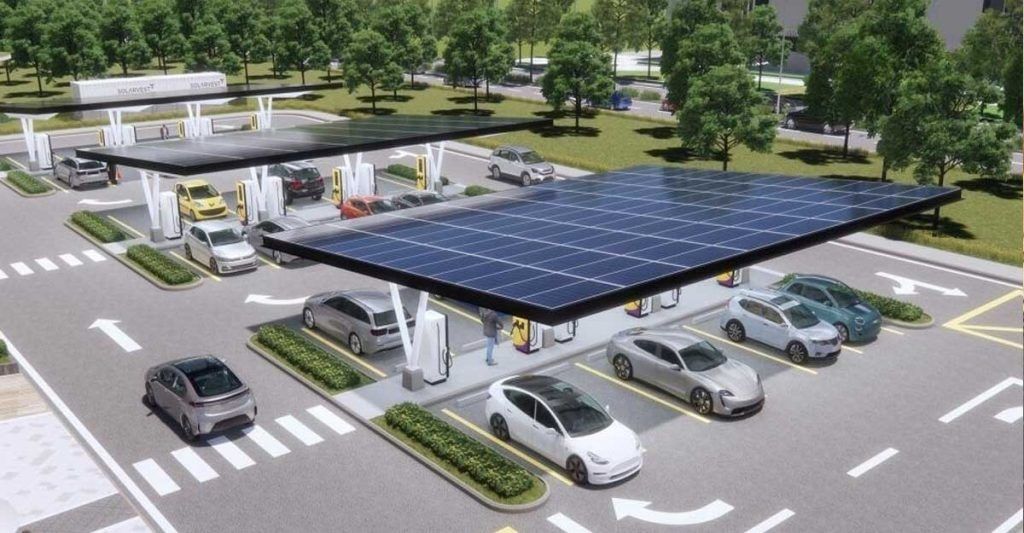
Explore opportunities for connecting to renewable energy sources like solar panels, which can be integrated into the parking structure’s roof or façade. This not only reduces operational costs but also enhances the facility’s sustainability credentials. Battery energy storage systems (BESS) can also be incorporated to manage peak demand and store renewable energy.
Emergency Power and Blackout Protocols:
While not always required for Level 2 chargers, DCFCs often necessitate emergency power protocols. Consider the integration of uninterruptible power supplies (UPS) or backup generators for critical charging infrastructure to ensure continuity of service during power outages.
User Experience and Accessibility: Design for People, Not Just Vehicles
A well-designed EVCS parking facility goes beyond structural and electrical considerations; it prioritizes the user experience.
- Clear Signage and Wayfinding: Intuitive signage, both digital and physical, is paramount. Clearly marked charging bays, directional arrows, and information on charger types and availability reduce driver frustration.
- Lighting and Security: Adequate, well-distributed lighting enhances safety and security, especially during nighttime charging. Incorporate surveillance cameras and emergency call boxes for added peace of mind.
- Accessibility (ADA Compliance): Ensure all charging stations and their surrounding areas are fully accessible to individuals with disabilities, adhering to ADA guidelines. This includes appropriate clearances, ramp access, and reach ranges.
- Cable Management: Design solutions for neat and accessible cable management. Retractable cable systems or integrated cable holders prevent trip hazards and keep the area tidy.
- Amenities: Consider incorporating amenities like waiting areas, restrooms, or even small retail kiosks, especially for facilities with DCFCs where charging times are longer.
- Digital Integration: Integrate with parking management systems and mobile apps that provide real-time information on charger availability, charging status, and payment options.
Future-Proofing Your Investment: Thinking Beyond Today
The EV landscape is evolving rapidly. Designing with flexibility and scalability in mind is crucial to protect your investment.
- Scalability: Oversize electrical conduits, leave space for future transformers, and design floor plans that can easily accommodate additional charging stations as demand grows.
- Smart Grid Integration: Design for compatibility with future smart grid technologies, enabling vehicle-to-grid (V2G) and vehicle-to-building (V2B) capabilities.
- Autonomous Vehicle Readiness: Consider the implications of autonomous vehicles on parking layouts and charging protocols. Future autonomous EVs may self-park and connect to chargers.
- Emerging Technologies: Stay abreast of emerging charging technologies, such as wireless charging, and design the structure to potentially accommodate these innovations in the future.
- Data Analytics: Implement systems for collecting data on charging patterns, energy consumption, and user behavior to inform future design decisions and operational optimizations.
FAQs: Your Questions Answered
Q1: What are the key differences when designing a metal parking structure for EVs compared to conventional vehicles?
A1: The primary differences lie in the significantly increased electrical load requirements, the need for robust electrical infrastructure (transformers, switchgear, heavy-gauge wiring), specialized fire safety considerations related to high-voltage equipment, and the integration of smart charging and energy management systems. Additionally, structural elements need to account for the weight and dynamic forces of EVs, along with secure mounting for charging units.
Q2: What type of metal is best for EV parking structures, and why?
A2: Steel is the most common and advantageous metal for EV parking structures. Its high strength-to-weight ratio allows for large spans and open layouts, providing flexibility for charger placement. Steel is also highly ductile, offering good seismic performance, and can be prefabricated off-site for faster construction. Crucially, it allows for easy integration of conduits and electrical pathways. Robust corrosion protection is key for longevity.
Q3: How much power does an EV charging station require, and how does this impact the overall electrical design?
A3: Power requirements vary significantly. Level 2 AC chargers typically draw 7-22 kW per port. DC Fast Chargers (DCFCs) can range from 50 kW to 350 kW or more per port. This dramatically impacts the required service entrance capacity, the sizing of transformers and distribution panels, and the need for sophisticated load management systems to prevent overwhelming the grid and incurring excessive demand charges.
Q4: Are there specific fire safety regulations for EV parking structures?
A4: Yes, while regulations are still evolving, many jurisdictions are adopting codes that specifically address fire safety in EV charging environments. These often include requirements for increased fire suppression systems (e.g., dedicated sprinkler systems), fire-rated enclosures for electrical equipment, enhanced ventilation, and clear egress paths. The potential for thermal runaway in EV batteries necessitates specialized considerations for containment and venting.
Q5: How can a metal parking structure be “future-proofed” for evolving EV technology?
A5: Future-proofing involves several strategies: oversizing electrical conduits and pathways, reserving space for future electrical equipment upgrades, designing a modular layout that allows for easy addition or repositioning of chargers, incorporating smart grid readiness (V2G/V2B), and designing for potential autonomous vehicle integration and wireless charging technologies. Flexibility in structural design to accommodate new mounting requirements is also key.
Q6: What are the benefits of integrating renewable energy sources with an EV parking structure?
A6: Integrating renewables like solar panels (on the roof or façade) provides numerous benefits: reduced operational electricity costs, enhanced sustainability credentials, decreased carbon footprint, and potential for energy independence. Combined with battery storage, it can help manage peak demand and provide resilience during grid outages, making the facility more attractive and environmentally responsible.
Conclusion: Building the Future, One Charge at a Time
Designing metal parking structures for electric vehicle charging stations is a complex yet immensely rewarding endeavor. It’s an opportunity to create infrastructure that is not only functional but also forward-thinking, sustainable, and user-centric. By meticulously addressing structural integrity, comprehensive electrical planning, and an intuitive user experience, developers and planners can create facilities that stand as beacons of the electric future.
As the world electrifies, these intelligent parking structures will play a pivotal role in accelerating EV adoption and fostering a greener tomorrow. Don’t just build a parking lot; build a vital node in the clean energy revolution.
Ready to electrify your next parking project? Contact our expert team today to explore innovative solutions for designing and constructing state-of-the-art metal parking structures optimized for the electric vehicle era.
Read More:
Sustainable Campervan Living And Off-Grid Tips: How to Thrive Beyond the Grid
Mastering Vanlife: Tips for a Smooth Journey
Featured Image Source