
Steering column issues are becoming a growing concern among drivers in Dallas, TX, especially as vehicles age and road conditions fluctuate. According to recent automotive service reports, nearly 15% of steering-related complaints involve column components, while urban areas like Dallas see higher wear due to stop-and-go traffic. Many drivers also report electrical faults connected to steering systems, including the need for a steering wheel clock spring horn issue fix. These problems can impact safety, comfort, and control if ignored. Therefore, understanding the root causes and solutions is essential for every vehicle owner. This guide breaks down real issues reported locally and offers practical advice tailored to Dallas conditions.
Common Steering Column Problems in Dallas Vehicles
Drivers across Dallas frequently report a range of steering column issues that affect both older and newer vehicles. These problems often develop gradually, making them easy to overlook at first. However, ignoring early signs can lead to more expensive repairs later. In many cases, climate, road conditions, and driving habits play a major role. For example, frequent heat exposure can weaken internal components over time. As a result, staying informed helps drivers act before problems worsen.
Loose or Wobbly Steering Wheel
A loose steering wheel is one of the most reported issues among Dallas drivers. This problem often results from worn bearings, loose bolts, or internal column damage. When the steering feels unstable, it reduces driver confidence and increases accident risk. Additionally, sudden movements or vibrations can worsen the condition. Drivers should address this issue quickly to avoid further damage. Regular inspections can help detect looseness early and prevent costly repairs.
Steering Wheel Noise While Turning
Unusual noises during steering, such as clicking or grinding, signal underlying problems in the steering column. These sounds often point to worn components or lack of lubrication. In Dallas, dust and debris from dry conditions can enter the system and cause friction. Over time, this friction leads to faster wear and louder noises. Ignoring these sounds can result in complete component failure. Therefore, drivers should seek professional diagnosis when unusual noises appear.
Difficulty Turning the Steering Wheel
Many drivers report increased resistance when turning the steering wheel, especially during hot summer months. Heat can affect power steering fluid performance and internal seals. As a result, steering becomes stiff and harder to control. This issue can also indicate problems with the steering column shaft or joints. If left unresolved, it can compromise vehicle handling. Routine maintenance helps keep steering smooth and responsive.
Electrical Issues in Steering Columns
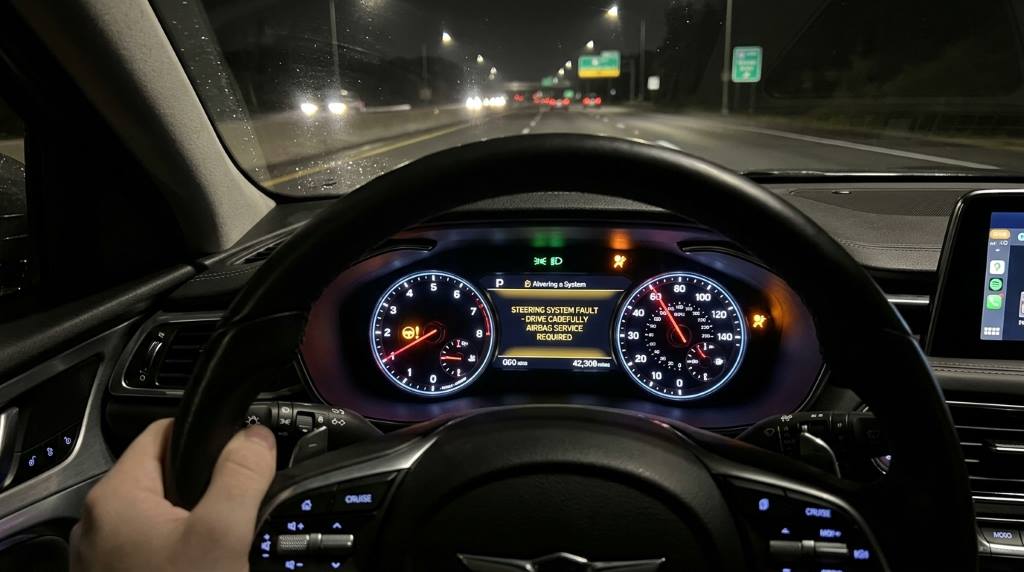
Modern vehicles rely heavily on electronic systems within the steering column, which can fail over time. Dallas drivers often experience electrical faults due to heat exposure and wiring degradation. These issues can affect multiple vehicle functions, including airbags and horn systems. Additionally, faulty connections may trigger warning lights on the dashboard. Addressing electrical problems early prevents system-wide failures. Proper diagnostics are essential to pinpoint the exact cause.
Faulty Clock Spring
The clock spring is a crucial component that connects electrical systems in the steering wheel. When it fails, drivers may lose horn functionality, airbag signals, or steering wheel controls. Dallas heat can accelerate wear on this delicate part. As a result, many drivers experience intermittent or complete failure. Replacing a faulty clock spring restores proper function. Regular checks can help detect early signs of failure.
Airbag Warning Light Issues
A persistent airbag warning light often relates to steering column wiring problems. This issue can result from damaged connectors or faulty sensors within the column. In Dallas, temperature fluctuations can cause wiring expansion and contraction. Over time, this leads to loose connections and system errors. Ignoring the warning light can compromise safety during accidents. Therefore, drivers should address this issue immediately.
Mechanical Failures in Steering Columns
Mechanical failures in steering columns are less common but more serious when they occur. These problems often stem from long-term wear or lack of maintenance. Dallas roads, with frequent construction and uneven surfaces, can accelerate component stress. As a result, parts may loosen or break over time. Identifying mechanical issues early reduces the risk of sudden failure. Regular servicing plays a key role in prevention.
Worn Steering Column Bearings
Bearings inside the steering column allow smooth rotation of the wheel. When these bearings wear out, drivers may notice stiffness or grinding sensations. Dallas heat and dust contribute to faster bearing deterioration. Without proper lubrication, friction increases and damages surrounding parts. Replacing worn bearings restores smooth steering performance. Routine maintenance helps extend their lifespan.
Tilt Mechanism Failure
Many vehicles feature adjustable steering columns, but these mechanisms can fail over time. Drivers may find that the steering wheel no longer locks into position. This issue often results from worn gears or broken locking components. In Dallas, frequent adjustments due to long commutes can speed up wear. A faulty tilt mechanism can affect driving posture and safety. Repairing or replacing the mechanism ensures proper function.
Climate Impact on Steering Column Performance
Dallas weather plays a significant role in steering column problems. High temperatures can weaken plastic and rubber components within the system. Additionally, heat causes fluids to thin, reducing lubrication efficiency. During colder months, materials may contract and create gaps in connections. These changes can lead to both mechanical and electrical failures. Understanding climate effects helps drivers take preventive measures.
Heat-Related Wear and Tear
Extreme heat is a major factor in steering column damage across Dallas. Prolonged exposure can dry out lubricants and degrade internal parts. As a result, components become brittle and more prone to failure. Drivers often notice increased noise or stiffness during summer. Parking in shaded areas can reduce heat exposure. Regular inspections during hot months help catch issues early.
Dust and Debris Accumulation
Dallas roads often generate dust that can enter the steering system. Over time, this debris builds up and causes friction between moving parts. This friction accelerates wear and leads to unusual noises. Additionally, dust can affect electrical connections within the column. Cleaning and sealing components helps prevent buildup. Drivers should include this step in routine maintenance.
Warning Signs Drivers Should Not Ignore
Recognizing early warning signs can prevent major steering column failures. Many drivers overlook small issues until they become serious problems. However, paying attention to symptoms can save time and money. Dallas drivers should stay alert to changes in steering behavior. Acting early ensures safer driving conditions. Regular vehicle checks support long-term performance.
Key Symptoms to Watch
- Steering wheel feels loose or unstable
- Clicking or grinding noises when turning
- Difficulty steering or stiffness
- Airbag warning light stays on
- Horn or steering controls stop working
These signs indicate potential steering column problems that require attention. Ignoring them can lead to more severe damage. Drivers should consult a mechanic when these symptoms appear. Early diagnosis reduces repair costs. Consistent monitoring improves vehicle safety.
Related:
How to Suspension and Steering Repairs: Guide to Solving Steering Wander on Highways
How to Winterize an Old RV with a Motorhome Winterizing Kit Safely
Preventive Maintenance Tips for Dallas Drivers
Preventive maintenance is the most effective way to avoid steering column problems. Dallas drivers can take simple steps to protect their vehicles. Regular servicing keeps components in good condition. Additionally, proper driving habits reduce stress on the system. Combining these practices ensures long-term reliability. Maintenance should always follow manufacturer recommendations.
Practical Maintenance Steps
- Schedule regular steering system inspections
- Keep steering components clean and lubricated
- Avoid aggressive turning or sudden movements
- Park in shaded or covered areas when possible
- Check power steering fluid levels frequently
These steps help minimize wear and extend component life. Consistent care prevents unexpected breakdowns. Drivers who follow these tips experience fewer issues. Maintenance also improves overall driving comfort. Investing time in upkeep saves money in the long run.
When to Seek Professional Repair
Some steering column problems require expert attention and should not be handled at home. Complex mechanical or electrical issues need specialized tools and knowledge. Dallas drivers should seek help when symptoms persist or worsen. Professional mechanics can diagnose problems accurately and provide reliable solutions. Attempting DIY fixes may lead to further damage. Therefore, knowing when to act is essential.
Situations That Need Immediate Attention
- Steering wheel locks or becomes unresponsive
- Airbag warning light remains active
- Loud noises during steering persist
- Electrical controls fail completely
These issues pose safety risks and require urgent repair. Delaying service can increase repair costs. Certified technicians ensure proper handling of complex components. Professional repairs restore vehicle safety and performance. Drivers should prioritize safety over convenience.
Conclusion
Steering column problems reported by drivers in Dallas, TX highlight the importance of regular maintenance and early detection. From mechanical wear to electrical faults, these issues can affect safety and driving experience. Local climate conditions, including heat and dust, further contribute to component failure. However, drivers who stay proactive can prevent most problems before they escalate. Simple maintenance habits and timely repairs make a significant difference. If you notice any warning signs, take action immediately and consult a professional to keep your vehicle safe and reliable.
FAQs
What causes steering column failure in Dallas vehicles?
Heat, dust, and regular wear are the main causes of steering column failure in Dallas.
Is it safe to drive with a faulty steering column?
No, it can compromise control and increase accident risk.
How much does steering column repair cost?
Costs vary but typically range from moderate to high depending on damage.
Can I fix steering column issues myself?
Minor issues may be manageable, but most require professional repair.
How often should I inspect my steering system?
At least once a year or during routine vehicle servicing.