
Unlocking the Hidden Potential of Your Backyard Shed
Are you looking for an innovative and cost-effective solution for extra living space, a creative sanctuary, or even a minimalist dwelling? Do you gaze at that metal shed in your backyard, currently overflowing with forgotten tools and seasonal decorations, and wonder if it could be something more? What if we told you that hidden within its utilitarian shell lies the potential for a cozy tiny home, a vibrant art studio, a serene yoga retreat, or even a productive home office?
The idea of transforming a humble metal shed into a functional and aesthetically pleasing living or working space might seem daunting at first. However, with the rising popularity of tiny homes, sustainable living, and the increasing need for flexible spaces, repurposing existing structures has emerged as a clever and eco-friendly alternative to traditional construction. This comprehensive guide will take you on a journey beyond mere storage, revealing how you can unlock the hidden potential of your metal shed and transform it into a unique, valuable, and incredibly satisfying space. We’ll delve into the practicalities, unleash creative possibilities, and equip you with the knowledge to turn your shed-to-studio or shed-to-home dream into a tangible reality.
Why a Metal Shed? The Unexpected Advantages
Before we dive into the nitty-gritty of the transformation process, let’s understand why a metal shed, specifically, presents such an appealing foundation for this project. While wooden sheds are also viable, metal sheds offer several distinct advantages:
- Durability and Longevity: Metal sheds, especially those made from galvanized steel, are incredibly robust. They are resistant to rot, pests, and fire, ensuring a long-lasting structure that requires minimal external maintenance. This inherent durability provides a solid framework for your conversion.
- Cost-Effectiveness: Often, metal sheds are more affordable than their wooden counterparts, especially for larger sizes. If you already own one, the initial investment is zero, making this a highly budget-friendly endeavor compared to building a new structure from scratch.
- Quick to Erect (Initial Structure): If you’re starting with a new shed, metal kits are designed for relatively quick and straightforward assembly. This means you have a solid shell to work with in a much shorter timeframe than traditional building methods.
- Pest and Weather Resistance: Metal is impervious to termites, carpenter ants, and other pests that can plague wooden structures. They also stand up well to harsh weather conditions, including strong winds and heavy rain, provided they are properly anchored.
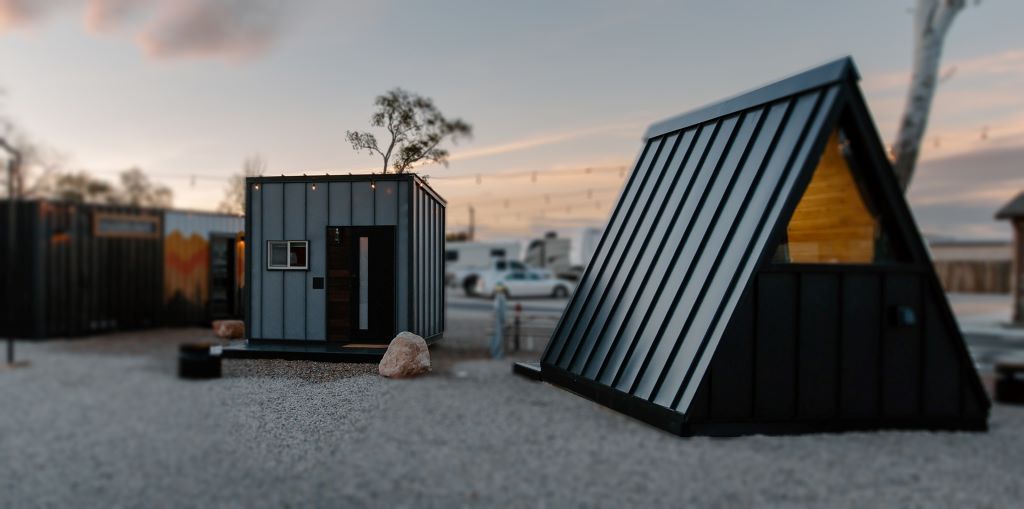
- Modern Aesthetic Potential: While often seen as purely utilitarian, metal offers a sleek, industrial aesthetic that can be incredibly modern and chic with the right design choices. Think corrugated metal siding paired with natural wood accents or vibrant colors.
From Clutter to Cozy: Planning Your Shed Transformation
The success of your shed transformation hinges on meticulous planning. This isn’t just about throwing up some drywall; it’s about creating a safe, comfortable, and functional space.
-
Defining Your Vision and Purpose
The first and most crucial step is to clearly define what you want your transformed shed to be. Is it a:
- Tiny Home/Guest House: Requiring insulation, plumbing, electrical, and potentially a small kitchen and bathroom.
- Art Studio: Needing ample natural light, ventilation, and durable flooring for spills.
- Home Office: Focusing on good lighting, comfortable seating, and a quiet environment.
- Yoga/Meditation Space: Prioritizing tranquility, soft lighting, and perhaps a sound system.
- Workshop: Requiring sturdy benches, power outlets, and possibly dust extraction.
Your purpose will dictate every subsequent decision, from layout to material choices.
-
Legalities and Permits: Don’t Skip This Step!
This is perhaps the least exciting but most critical part of the process. Before you lift a single hammer, contact your local planning department or municipality. You will almost certainly need permits for:
- Structural Changes: Adding windows, doors, or altering the existing structure.
- Electrical Work: Installing lighting, outlets, and wiring.
- Plumbing: Adding a sink, toilet, or shower.
- Change of Use: Transforming a storage shed into a habitable space, even a temporary one, often requires specific zoning approval.
Ignoring permits can lead to hefty fines, forced demolition, and legal headaches. Be proactive and understand your local regulations. This also extends to homeowner association (HOA) rules if you live in a planned community.
-
Foundation and Leveling
A solid, level foundation is non-negotiable. If your shed isn’t already on a proper base, you’ll need to create one. Options include:
- Concrete Slab: The most durable and stable option, ideal for long-term use.
- Gravel Pad with Pressure-Treated Skids: A good, less permanent option that allows for drainage.
- Concrete Piers or Blocks: Raising the shed off the ground, preventing moisture issues.
Ensure proper drainage around the foundation to prevent water accumulation.
-
Insulation: The Key to Comfort
Metal is an excellent conductor of heat and cold, making insulation absolutely vital for any habitable space. Without it, your shed will be an oven in summer and a freezer in winter.
- Types of Insulation:
- Batt Insulation (Fiberglass or Rockwool): Common, affordable, and effective for walls and ceilings.
- Rigid Foam Boards (XPS, EPS, Polyiso): Excellent R-value (insulating power) per inch, great for walls and subfloors.
- Spray Foam: Provides an airtight seal, excellent R-value, but more expensive and requires professional application.
- Vapor Barrier: Crucial in humid climates or where condensation might be an issue. A plastic sheeting installed on the warm side of the insulation prevents moisture from reaching the insulation and causing mold or reducing effectiveness.
-
Windows and Doors: Light, Ventilation, and Access
Cutouts for windows and doors are significant structural changes. Measure carefully and reinforce the openings with framing (headers and sills) to maintain structural integrity.
- Windows: Prioritize energy-efficient, double-pane windows to minimize heat loss/gain. Consider their placement for natural light, ventilation, and aesthetic appeal.
- Doors: A good quality, insulated exterior door is essential for security and energy efficiency.
-
Electrical and Plumbing (If Applicable)
Unless your shed is purely for storage, you’ll likely need electricity. If it’s a tiny home or studio with a sink/toilet, plumbing is also necessary.
- Electrical: Always hire a licensed electrician. They will ensure safe wiring, proper grounding, and adherence to electrical codes. Plan for outlets, lighting, and any specific appliance needs (e.g., HVAC, water heater).
- Plumbing: Similarly, a licensed plumber is crucial for water supply, drainage, and waste disposal. Consider composting toilets for off-grid solutions or if conventional plumbing is not feasible.
-
Interior Finishing: Making it Your Own
This is where your vision truly comes to life!
- Flooring: Choose durable, easy-to-clean options. Vinyl plank, laminate, or engineered wood are popular choices. Concrete can be stained and sealed for an industrial look.
- Walls and Ceiling: Drywall, plywood, or tongue-and-groove paneling can create a finished look. Consider painting light colors to make the space feel larger and brighter.
- HVAC: Depending on your climate, a mini-split heat pump is an energy-efficient solution for heating and cooling. Portable heaters or fans might suffice for less intensive use.
- Built-in Furniture: Maximize space with custom-built shelves, desks, or fold-down tables. This is especially important for tiny homes.
Essential Considerations for a Successful Shed Conversion
Beyond the core steps, several other factors contribute to a successful and comfortable shed transformation.
- Ventilation: Even with windows, ensure proper airflow to prevent condensation and maintain air quality, especially in a tiny space.
- Security: Reinforce doors and windows. Consider an alarm system if valuable equipment or personal belongings will be stored inside.
- Curb Appeal: Don’t forget the exterior! Paint, landscaping, and exterior lighting can significantly enhance the look and feel of your transformed shed, integrating it beautifully into your garden.
- Budgeting: Create a detailed budget and add a contingency fund (10-20%) for unexpected costs. Sourcing reclaimed materials can help reduce expenses.
- Time Commitment: This is not a weekend project. Be realistic about the time required, especially if you’re doing much of the work yourself.
Unleashing Creativity: Design Ideas and Inspiration
Now for the fun part – design! Your metal shed can be a blank canvas for your personal style.
- Modern Minimalist: Embrace the metal’s sleek lines. Use a monochromatic color scheme, clean furniture, and minimalist decor.
- Rustic Chic: Combine the industrial feel of metal with warm wood tones, exposed beams (if adding them), and cozy textiles.
- Bohemian Retreat: Infuse vibrant colors, patterned rugs, hanging plants, and eclectic furniture for a relaxed and artistic vibe.
- Industrial Loft: Highlight the metal structure, incorporate exposed conduit, concrete floors, and raw materials for an urban feel.
- Nature-Inspired: Use natural light, incorporate plants, and choose earthy tones to create a calming, integrated space.
Think about how you can incorporate built-in storage solutions, multi-functional furniture, and clever design hacks to make the most of every square foot.
FAQs About Metal Shed Transformations
Here are some frequently asked questions about converting metal sheds:
Q1: How much does it cost to convert a metal shed into a tiny home or studio?
A1: The cost varies wildly depending on the size of the shed, the extent of the conversion (e.g., adding plumbing/electrical vs. just insulation/finishes), and whether you do the work yourself or hire professionals. A basic studio might start from a few thousand dollars (USD), while a fully functional tiny home could easily reach $10,000 – $30,000+ (USD), excluding the shed itself.
Q2: Is it difficult to insulate a metal shed?
A2: It’s manageable but requires careful planning. The main challenge is creating a framework inside the metal shell to hold the insulation and provide a surface for interior finishes. Proper ventilation and a vapor barrier are crucial to prevent condensation issues.
Q3: Can I live in a converted metal shed year-round?
A3: Yes, with proper insulation, heating, cooling, and all necessary utilities (plumbing, electricity), a metal shed can be made habitable year-round. However, local zoning laws and building codes regarding permanent dwellings must be strictly adhered to.
Q4: Do I need planning permission for a shed conversion?
A4: Almost certainly, yes. Changing the use of a building (from storage to living/working space) and undertaking significant structural, electrical, or plumbing work typically requires permits. Always check with your local authorities before starting any work.
Q5: What are the best flooring options for a converted shed?
A5: Durable and moisture-resistant options are best. Vinyl plank flooring is popular due to its resilience and ease of installation. Laminate, engineered wood, or even stained concrete can also be good choices depending on your aesthetic and budget.
Q6: How do I deal with condensation in a metal shed?
A6: Condensation is a common issue with metal structures. Proper insulation, a well-installed vapor barrier on the warm side of the insulation, and adequate ventilation (e.g., vents, windows) are essential to prevent moisture buildup and mold.
Q7: Can a metal shed be moved after conversion?
A7: While metal sheds are often modular, significant conversions (especially with added weight from insulation, finishes, and utilities) can make them very difficult, if not impossible, to move without specialized equipment or partial disassembly. Plan your location carefully from the start.
Conclusion: Your Transformed Shed Awaits!
Transforming a metal shed into a tiny home or studio is an ambitious yet incredibly rewarding project. It’s a journey that combines practical construction skills with creative design, offering a unique opportunity to craft a space perfectly tailored to your needs and desires. From the initial spark of an idea to the final coat of paint, each step brings you closer to unlocking the hidden potential of that unassuming structure in your backyard.
Imagine the possibilities: a peaceful sanctuary for your creative endeavors, a focused environment for your work, or a charming, minimalist dwelling that embodies sustainable living. By embracing the durability and cost-effectiveness of metal sheds, and by diligently planning and executing each stage of the conversion, you can create a truly valuable asset that goes far beyond simple storage.
Ready to take the plunge? Start by assessing your current shed, researching local regulations, and sketching out your dream space. The path from forgotten storage to functional paradise is within reach. Start planning your metal shed transformation today and unlock the incredible potential waiting in your own backyard!
Read More:
Sustainable Campervan Living And Off-Grid Tips: How to Thrive Beyond the Grid
Plan Your Journey for Every Season: Travel Guides for Vanlifers with Family