
The van life movement has exploded in recent years, with over 3.1 million Americans now living full or part-time in RVs and vans, according to Statista. As the trend grows, so does the need for cost-effective, smart build solutions. If you’re eyeing the nomadic lifestyle without draining your bank account, this guide is for you. We dive into the Top 10 Budget-Friendly Van Build Hacks That Actually Work—real solutions tested by vanlifers who live on the road.
1. Use Insulation Boards Over Spray Foam
Insulating your van is non-negotiable for year-round comfort. Many opt for spray foam, but it’s pricey and hard to remove. Instead, use rigid foam boards like Polyiso or XPS. These offer excellent R-values, cost less, and are easier to install.
According to Home Depot pricing, you can insulate an entire van for under $100 using foam boards, while spray foam averages $300–$500. Secure the boards with spray adhesive and seal edges with foil tape. This hack saves you money without compromising warmth.
2. Repurpose Furniture for Storage and Beds
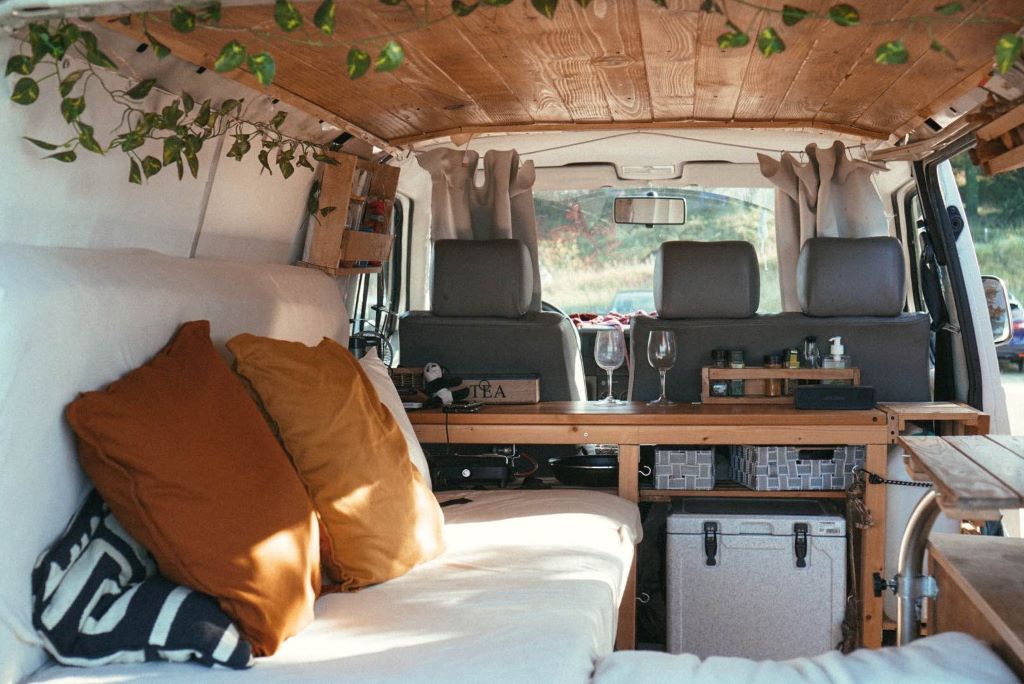
Skip custom carpentry. Repurpose IKEA or thrift store furniture to fit your layout. A Malm dresser, for instance, becomes a strong storage base for a bed platform.
Reddit’s r/VanDwellers community swears by this method. Used furniture saves time and cash—plus it’s more sustainable. Modify drawers with locking sliders and anchor pieces to your van’s frame to keep everything safe while driving.
3. Use Reflectix as Dual-Purpose Window Covers
Reflectix is an affordable material that blocks sunlight and adds insulation. It costs about $25 for a full roll and fits easily into window frames. Cut to size and add velcro or magnets for easy installation.
Reflectix not only cools your van in summer but also gives you privacy—an essential when camping in public areas. According to RoadTrippers Magazine, DIY Reflectix covers can reduce interior temps by up to 10°F.
4. Install a Cheap Diesel Heater Instead of High-End Units
Commercial RV heaters can run over $1,000. Chinese diesel heaters on Amazon average $120 and offer similar output with low fuel usage.
Thousands of vanlifers vouch for their reliability. YouTube reviews, such as Hobotech’s diesel heater comparison, confirm these heaters work well below freezing. They require basic wiring and exhaust venting—still cheaper than a professional install.
5. Go Solar with a Portable Power Station
Instead of installing a full solar array, start with a portable power station like Jackery or Bluetti. These cost less upfront and come plug-and-play. Pair them with a 100W folding solar panel for off-grid charging.
According to Wirecutter, these stations are perfect for beginners, with enough power to run lights, charge devices, and even power a small fridge. This hack lets you avoid complex electrical systems and still enjoy energy independence.
6. DIY Sink Using a Foot Pump and Water Jugs
Avoid expensive plumbing systems. Use two five-gallon jugs (one fresh, one gray), a foot pump, and a small sink basin. This entire setup costs under $60 and installs in under an hour.
This system saves water, avoids the need for pressurized tanks, and is easy to clean. Vanlife YouTuber Jennelle Eliana uses a similar setup, showing how simplicity beats sophistication on the road.
7. Maximize Vertical Space with Hanging Storage
Every inch counts in a van. Use over-the-door shoe organizers, cargo nets, or hanging baskets to store small items vertically. These solutions keep things accessible and off the floor.
Walmart and Amazon offer options under $10. Hanging storage reduces clutter, increases usable space, and keeps items from rolling around while driving. According to Campervan HQ, vertical storage improves organization by 30% in small builds.
8. Build a Slide-Out Table Under the Bed
Instead of a fixed dining area, install a slide-out table beneath your bed platform. Use heavy-duty drawer slides or repurposed hardware.
This gives you a multi-use space—desk, dining table, or prep station—without sacrificing room. It’s a favorite trick among budget van builders and saves $300–$500 compared to custom convertible dinettes.
9. Use Peel-and-Stick Vinyl for Easy Wall Finishes
Skip labor-intensive tongue-and-groove paneling. Peel-and-stick vinyl planks mimic wood or tile, cost about $1.50/sq ft, and install with scissors and a ruler.
They’re lightweight, moisture-resistant, and look polished. Instagram van builders often use this hack for a modern, clean finish without the effort or expense of traditional panels.
10. Install a Roof Vent Using a Manual Fan
Ventilation is crucial, but electric fans like MaxxAir cost $300+. Instead, install a manual RV vent ($50) and pair it with a USB fan inside.
This setup still provides airflow without the high energy draw. It keeps humidity down, reduces mold risk, and doesn’t strain your power supply. VanLife Matters recommends this for minimalists and stealth campers.
FAQs
1. What is the cheapest van to convert?
The Chevy Express and Ford Econoline are budget favorites due to wide availability and low maintenance costs.
2. Can I build a van under $5,000?
Yes. With second-hand materials and hacks from this list, many build complete vans for under $5,000.
3. How do I avoid mold in a van build?
Proper insulation, ventilation, and moisture barriers are key. Use a roof vent and avoid porous materials.
4. Are diesel heaters safe?
When installed correctly with proper ventilation, diesel heaters are safe and widely used in van builds.
5. How much solar do I really need?
For basic needs—lights, fridge, devices—200W of solar and a 500Wh battery are usually enough.
6. Can I legally live in a van full time?
Yes, but local laws vary. Always check parking regulations and avoid overnighting where prohibited.
7. Do I need a bathroom in my van?
Not necessarily. Many use portable toilets or rely on public facilities to save space and costs.
Final Thought
The Top 10 Budget-Friendly Van Build Hacks That Actually Work aren’t just about saving cash—they’re about making van life accessible. Each hack reflects lessons learned from the road and a deep understanding of what truly matters: comfort, function, and freedom. Whether you’re starting your build or refining an existing setup, these practical, proven tips will stretch your dollars and simplify your journey. Embrace creativity, think outside the box, and hit the road smarter—not harder.
Read More: Mastering Vanlife: Tips for a Smooth Journey