
You glance at your dashboard and spot that glowing check engine light. Panic sets in. Many drivers wonder right away if they can reset check engine light without disconnecting battery. This common issue sparks frustration, but solutions exist beyond the old battery trick.
The malfunction indicator lamp signals problems in your vehicle’s system. According to the EPA, over 30% of vehicles fail emissions tests due to unresolved diagnostic trouble codes. Moreover, a CARB study shows 40% of check engine light triggers stem from minor issues like a loose gas cap.
This guide explores safe, effective ways to handle the light. You gain practical steps, tools, and tips to maintain your car’s health without risks.
Why the Check Engine Light Turns On
Your car’s ECU monitors everything. It detects issues and lights up the dashboard indicator. Sensors track oxygen levels, fuel trim, and exhaust system performance.
Common triggers include a faulty oxygen sensor or mass airflow sensor. Sometimes, error codes point to the EVAP system or catalytic converter. The Engine Control Module logs these as diagnostic trouble codes.
Drivers often see the light after refueling with a loose gas cap. Other times, ignition coils or the EGR valve fail. Understanding causes helps you decide on resets.
For instance, a friend ignored the light on his Mazda CX-5. It led to poor fuel efficiency. Early action prevents bigger problems. The light protects your Powertrain Control Module and emissions system.
Transitions like “however” show not all lights need immediate professional assistance. Yet, persistent ones demand attention.
Risks of Disconnecting the Battery to Reset
People often disconnect the car battery to clear the light. This erases memory in the car’s ECU. However, it resets more than just trouble codes.
You lose radio presets and infotainment system settings. The clock resets too. More critically, it clears adaptive learning in the Engine Control Unit.
Modern vehicles need drive cycles to relearn. Without them, fuel trim suffers. Engine temperature readings go off. This affects coolant temperature data.
Moreover, disconnecting the main battery or aux battery risks short circuits. Always wear safety glasses. A loose battery terminal causes sparks.
Case in point: A Cadillac CT5 owner tried this. The light returned faster due to unresolved catalyst efficiency issues. Avoid this method for long-term vehicle health.
Safe Ways to Reset Using an OBD2 Scanner
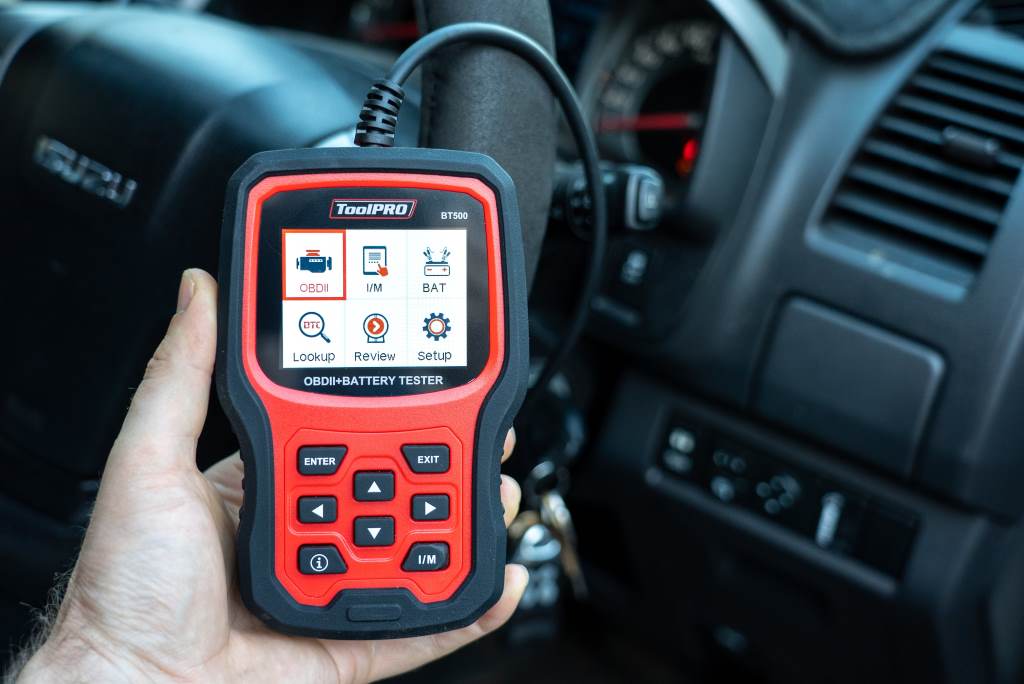
Grab an OBD-II scanner for the best approach. Plug it into the diagnostic port under the dash. These tools read error codes instantly.
Turn the ignition on. The scanner displays diagnostic trouble code details. Note them down. Then, select clear codes.
This resets the check engine light without battery disconnect. It keeps other settings intact. Affordable scanners cost little and pay off.
For example, use a basic OBD scanner on Ford vehicles. Westlie Ford technicians recommend this for quick checks. It works on GMC vehicle models too.
However, clearing codes does not fix underlying problems. Address the root cause first. Scanners help with automotive diagnostics.
Completing Drive Cycles to Clear the Light
Your car runs self-tests during drive cycles. Complete specific patterns to reset the system naturally. This rebuilds readiness for emissions (smog) test.
Start with a cold engine. Drive at steady speeds. Include highway and city conditions. Monitor with an OBDII port tool.
Typically, one full cycle includes idle, acceleration, and deceleration. Repeat if needed. Many need multiple drive cycles.
A smog check fails without completed monitors. Professional technicians at Fairway Chevrolet GMC guide this. It maintains factory scheduled maintenance.
Moreover, this method preserves the On-Board Diagnosis System data. No need for battery disconnect procedure.
When to Seek Professional Assistance
Some issues require expert help. Complex error codes like those from the exhaust system need diagnostic equipment. Do not ignore persistent lights.
Visit a local service center. They use advanced tools for initial check engine light diagnosis. This ensures accurate fault codes reading.
For warranty claims, professionals document everything. They check the vehicle’s health thoroughly. Repair services handle wiring diagram reviews.
Take Ryan Dickerson’s advice from his auto blog. He stresses professional expertise for tough cases. This prevents voiding coverage.
However, start with simple checks. Tighten the gas cap first. Then, scan with diagnostic system tools.
Tools You Need for DIY Resets
Stock up on essentials. An OBD2 scanner tops the list. Choose one with live data for fuel trim monitoring.
Keep a microfiber towel for cleaning the diagnostic port. Safety glasses protect during under-hood work. Ford OEM parts ensure compatibility.
A fuse box diagram helps if electrical issues arise. Daytime running lights might link to battery problems. Fender ground checks prevent false codes.
Moreover, apps connect to scanners via Bluetooth. They guide through diagnostic trouble codes. Build your automotive knowledge arsenal.
Common Trouble Codes and Fixes
P0420 signals catalytic converter issues. Check exhaust system leaks first. Replace if efficiency drops.
P0171 means lean fuel trim. Inspect the mass airflow sensor. Clean or replace it.
Loose gas cap triggers EVAP system codes. Tighten and drive. The light clears after cycles.
Battery terminal corrosion causes intermittent lights. Clean with care. Avoid full battery disconnect.
Professional diagnostic fees vary, but DIY saves initially. Use diagnostic strategy for efficiency.
Maintaining Your Car After Reset
Follow a car maintenance checklist. Regular oil changes keep the car engine healthy. Monitor engine temperature.
Schedule smog checks annually. This catches emissions system problems early.
Moreover, track drive cycles post-reset. Ensure all monitors pass. This supports the car’s system.
Used cars in Dubai face similar issues. Owners there use OBD scanners routinely. Adapt for your region.
Benefits of Avoiding Battery Disconnect
Preserve learned data in the ECU. No reset of radio presets or clock. Maintain smooth operation.
Reduce risks to electrical components. Avoid potential damage to the infotainment system.
Furthermore, complete drive cycles faster. The vehicle system adapts quickly. This improves overall vehicle care.
A Car Maintenance Schedule prevents future lights. Stick to it religiously.
Real-Life Examples of Successful Resets
John scanned his Ford models with an OBD scanner. Cleared a gas cap code. The light stayed off after two drive cycles.
Sarah avoided battery disconnect on her GMC vehicle. She fixed an oxygen sensor. Professional technicians confirmed the reset.
These stories show practical value. Apply similar steps to your situation.
However, always note codes before clearing. This informs future diagnostics.
Advanced Tips for Persistent Lights
Check the main battery charge. Low voltage triggers false codes. Use battery charging if needed.
Inspect ignition coils and EGR valve. These affect catalyst efficiency.
Moreover, review wiring diagrams for shorts. This ties into fender ground issues.
Buy here pay here lots often see these problems. Educate yourself on Missouri Vehicle Sales Tax implications for repairs.
Conclusion
You can reset check engine light without disconnecting battery using scanners and drive cycles. Address root causes for lasting fixes. Maintain regular checks for optimal car health.
Start today: Scan your vehicle and note any codes. Act promptly to keep your ride smooth.
FAQs
How long does it take for the check engine light to reset after fixing the issue?
It varies. Complete 50-100 miles of mixed driving. Multiple drive cycles help. Monitor with an OBD2 scanner.
Can a loose gas cap really cause the check engine light?
Yes. It triggers EVAP system codes. Tighten it firmly. Drive a bit. The light often clears on its own.
Is it safe to drive with the check engine light on?
For minor issues, yes. But scan soon. Severe codes risk damage to the catalytic converter or engine.
What if the light comes back after resetting?
The problem persists. Rescan for recurring error codes. Seek professional assistance for deep diagnostics.
Do all cars have an OBD-II port?
Most post-1996 vehicles do. Locate it under the dash. Use compatible diagnostic equipment.
References
- EPA Vehicle Emissions Data: https://www.epa.gov/greenvehicles
- CARB Diagnostic Studies: https://ww2.arb.ca.gov/our-work/programs/on-board-diagnostics-obd
- NHTSA Check Engine Light Guide: https://www.nhtsa.gov/equipment/check-engine-light
- SAE Automotive Diagnostics Standards: https://www.sae.org/standards