
Building a camper van gives you freedom to explore the United States on your schedule. More Americans now prefer road travel because it offers flexibility and lower lodging costs. Industry reports show that van life and recreational vehicle travel continue growing every year. Therefore, learning how to build camper van can save money and create a personalized home on wheels.
Why Build Your Own Camper Van?
A custom camper van fits your lifestyle better than a factory model. You can design every corner according to your travel habits and storage needs.
Many travelers enjoy building their own vans because the process costs less. In addition, you gain valuable skills that help with future repairs and upgrades.
Before starting your project, learn why vehicles freeze faster overnight in colder regions because insulation decisions greatly affect year round comfort.
Choose The Right Van For Conversion
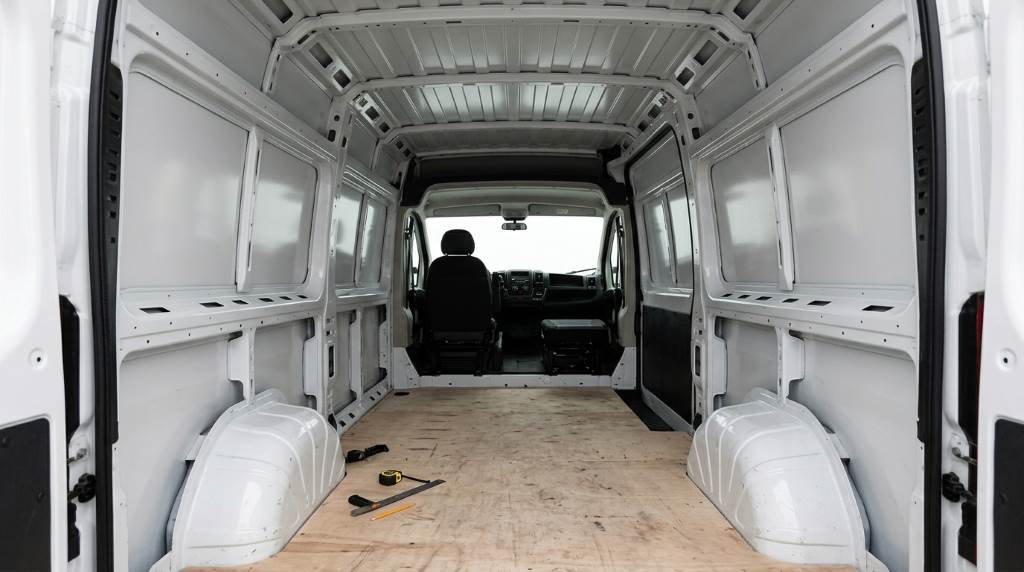
Your van choice determines the layout, budget, and comfort of your project. Therefore, spend time comparing available models before making a purchase.
Popular Camper Van Options
- Mercedes Sprinter
- Ford Transit
- Ram ProMaster
- Chevrolet Express
The Ford Transit offers flexible configurations and easy maintenance. Meanwhile, the Ram ProMaster provides a wider interior that simplifies furniture installation.
Inspect the engine, transmission, and rust condition before buying any used van. A professional inspection can prevent expensive repairs later.
Create A Practical Floor Plan
A detailed layout helps you avoid costly mistakes during construction. Moreover, it ensures that every item has a dedicated space.
Think carefully about how you plan to travel and sleep. If you enjoy long trips, read this guide about plan the ultimate cross country vanlife adventure for inspiration.
Essential Areas To Include
- Sleeping space
- Kitchen area
- Storage cabinets
- Electrical compartment
- Dining or workspace
Measure the interior several times before building permanent structures. Accurate dimensions prevent wasted materials and fitting problems.
Prepare The Van Interior
Remove existing seats, flooring, and wall panels before beginning construction. Next, clean every surface thoroughly to reveal hidden issues.
Rust treatment should happen before insulation or flooring installation. Otherwise, corrosion can spread beneath finished surfaces and cause damage.
Keeping the van clean during construction improves safety and efficiency. Many builders also use tips from select cheap wet dry vacuum resources to manage dust and debris.
Install Insulation And Soundproofing
Proper insulation keeps the camper comfortable during both summer and winter adventures. Furthermore, it reduces outside noise and improves sleeping conditions.
Common Insulation Materials
- Rigid foam board
- Sheep wool insulation
- Reflective insulation
- Spray foam
Seal small gaps to prevent moisture buildup inside wall cavities. Moisture problems often lead to mold and unpleasant odors.
Build The Electrical System
The electrical system powers lights, appliances, and charging stations inside your camper. Therefore, planning this stage carefully is extremely important.
Basic Electrical Components
- Leisure battery
- Solar panels
- Battery charger
- Fuse box
- Inverter
Most modern camper vans use lithium batteries because they last longer. In addition, they weigh less than traditional lead acid batteries.
Always install fuses and circuit protection devices correctly. Poor electrical work can create serious safety risks during travel.
Install Flooring And Wall Panels
Flooring creates a stable foundation for furniture and storage cabinets. Consequently, many builders install it before constructing other features.
Vinyl flooring remains a popular choice because it handles moisture and dirt well. Plywood subfloors also add strength and support.
Wall panels can be covered with fabric or painted for a cleaner appearance. Choose materials that balance durability with lightweight performance.
Build A Comfortable Bed Platform
The bed often becomes the most important feature inside a camper van. Therefore, focus on comfort and storage when designing it.
Many travelers build raised platforms to create garage storage underneath. This approach provides space for bicycles, tools, and camping equipment.
Popular Bed Designs
- Fixed platform bed
- Convertible sofa bed
- Folding bed system
Select a mattress that fits your sleeping style and available space. A comfortable bed makes long journeys much more enjoyable.
Create A Functional Kitchen
A compact kitchen allows you to prepare meals almost anywhere. As a result, you spend less money on restaurants during road trips.
Simple kitchens often include a sink, portable stove, and refrigerator. Some builders also add foldable countertops for additional preparation space.
Secure every appliance properly because movement can damage equipment while driving. Safety should always remain a top priority.
Add Storage Solutions
Smart storage keeps the interior organized and prevents clutter. Moreover, efficient storage improves the overall living experience.
Use overhead cabinets, under bed compartments, and wall pockets whenever possible. Every unused corner can become valuable storage space.
Lightweight materials help maintain fuel efficiency and improve vehicle handling. Avoid building cabinets that add unnecessary weight.
Install Water And Plumbing Systems
Many camper vans use simple freshwater and gray water systems. These systems provide convenience without adding excessive complexity.
Portable water tanks are ideal for beginners because installation remains straightforward. However, larger tanks work better for extended trips.
Inspect plumbing connections regularly to avoid leaks and water damage. Even a small leak can cause expensive repairs over time.
Test Everything Before Your First Trip
Check every system before leaving for your first adventure. Testing helps identify small issues before they become major problems.
Drive short distances and listen for unusual sounds or vibrations. Then make adjustments to improve safety and comfort.
Create a maintenance checklist for future inspections and repairs. Regular maintenance extends the life of your camper conversion.
Final Thoughts
Learning how to build camper van takes patience, planning, and creativity. However, the reward is a personalized vehicle that supports unforgettable adventures across the United States.
Start with a realistic budget and build one section at a time. Your dream camper van can become a reliable home on the road with careful preparation.
Gather your tools, create your layout, and begin building today. Every completed step brings you closer to your next great adventure.
Frequently Asked Questions
How much does it cost to build a camper van?
Most DIY camper van conversions cost between $10,000 and $40,000.
How long does a camper van conversion take?
Most people complete a basic conversion within three to six months.
Can I build a camper van without construction experience?
Yes, many beginners successfully build camper vans by learning each step carefully.
Do I need solar panels in my camper van?
Solar panels are optional but provide convenient off grid power.
What is the best van for beginners?
The Ford Transit and Ram ProMaster are popular beginner friendly choices.