
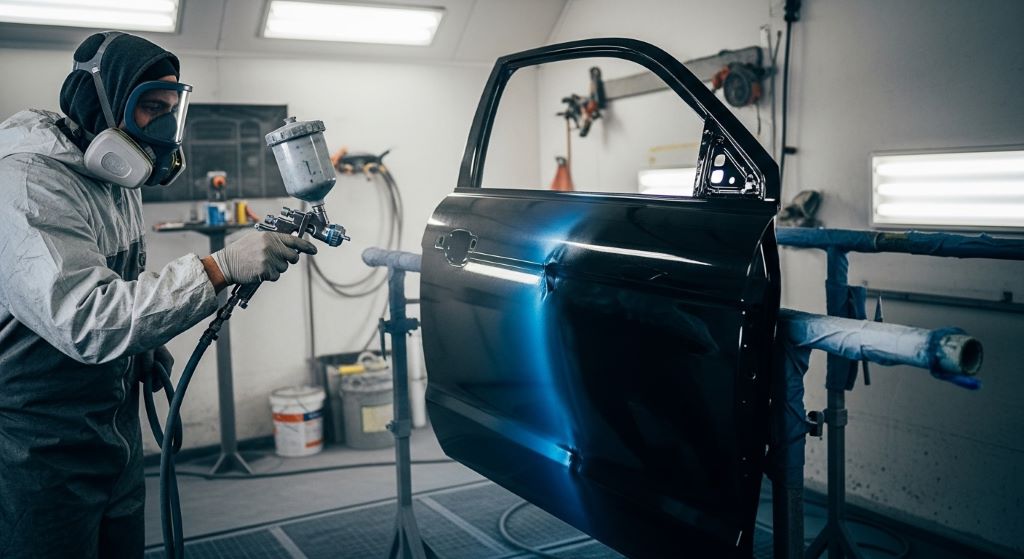
Painting your car at home can save money and give you full control over the final finish. However, choosing the right equipment is key. With so many options available in 2026, finding a tool that balances price and performance can feel confusing. This guide will help you pick the best budget paint sprayer for cars without wasting time or money.
Whether you are a beginner or a DIY enthusiast, understanding the basics will make your decision easier. Let’s break it down step by step.
Why a Budget Paint Sprayer Is Worth It
A paint sprayer offers smooth and even coverage compared to brushes or rollers. It reduces streaks and speeds up the job. More importantly, modern low-cost models now deliver impressive results.
However, not every cheap tool is reliable. Therefore, choosing wisely ensures you get good value without sacrificing quality.
Additionally, many beginners prefer a cheap paint sprayer because it allows practice without a large investment. If you plan to paint more vehicles later, you can always upgrade.
Types of Paint Sprayers for Cars
Before buying, you need to understand the main types of sprayers used in automotive work.
HVLP (High Volume Low Pressure)
HVLP sprayers are the most popular choice for car painting. They use low pressure to reduce overspray and improve control.
- Ideal for beginners
- Produces smooth finishes
- Uses less paint
However, they may require an air compressor.
LVLP (Low Volume Low Pressure)
LVLP models are similar but use less air. Therefore, they work well with smaller compressors.
- Energy efficient
- Lower air consumption
- Good for home garages
Additionally, they are often more affordable.
Airless Paint Sprayers
These sprayers do not need compressed air. Instead, they push paint at high pressure.
- Fast coverage
- Suitable for large areas
However, they are not ideal for fine automotive finishes.
Key Features to Look For
Choosing the right tool depends on specific features. Here are the most important ones to consider.
Spray Pattern Control
A good sprayer allows you to adjust the spray pattern. This helps you paint different parts of the car with ease.
- Horizontal for wide panels
- Vertical for tall sections
- Round for detail work
Therefore, flexibility improves both efficiency and finish quality.
Nozzle Size
Nozzle size affects how paint flows. For cars, smaller nozzles are usually better.
- 1.3mm to 1.5mm works well for automotive paint
- Larger nozzles are better for primers
Additionally, interchangeable nozzles give more control.
Build Quality
Even a low-cost tool should feel solid. Look for metal components instead of plastic where possible.
- Durable body
- Smooth trigger action
- Leak-free design
However, avoid overly heavy models as they can cause fatigue.
Paint Compatibility
Not all sprayers handle every type of paint. Make sure your sprayer supports:
- Base coats
- Clear coats
- Primers
This is especially important when working with automotive paint tools.
Understanding Your Budget
Budget does not mean buying the cheapest option available. Instead, it means finding the best balance between price and performance.
Entry-Level Range
These are perfect for beginners.
- Simple controls
- Lightweight design
- Affordable spray gun options
However, they may lack advanced features.
Mid-Range Budget Options
These offer better performance without a high price tag.
- Improved durability
- Better spray consistency
- More control features
Therefore, they are ideal for serious DIY users.
Air Compressor Requirements
If you choose an HVLP or LVLP sprayer, you will need an air compressor.
What to Check
- CFM (Cubic Feet per Minute) rating
- PSI requirements
- Tank size
Additionally, make sure your compressor matches your sprayer’s needs. Otherwise, performance will suffer.
Ease of Cleaning and Maintenance
Cleaning is a critical part of using a paint sprayer. A tool that is hard to clean can waste time and reduce lifespan.
Look For
- Detachable parts
- Easy-to-access nozzle
- Simple flushing system
Therefore, choose a model that saves time after each use.
Common Mistakes to Avoid
Many beginners make simple mistakes when buying a paint sprayer. Avoid these to get better results.
Choosing Based Only on Price
A very cheap paint sprayer may seem attractive. However, poor performance can lead to uneven coats.
Ignoring Compatibility
Always check if the sprayer works with your paint type.
Skipping Reviews
User reviews reveal real-world performance. Therefore, take time to read them before buying.
Best Use Cases for Budget Sprayers
Budget paint sprayers can handle many automotive tasks.
- Full car repaint
- Touch-ups
- Panel repairs
- Clear coat applications
Additionally, they are useful for other projects like furniture or walls.
Tips for Getting Professional Results
Even the best tool needs proper technique. Follow these tips for better results.
Prepare the Surface
- Clean thoroughly
- Remove rust
- Sand evenly
Therefore, preparation ensures better paint adhesion.
Maintain Proper Distance
Keep the sprayer about 6–8 inches from the surface. This helps achieve even coverage.
Use Thin Coats
Apply multiple thin layers instead of one thick coat. Additionally, this reduces drips and improves finish.
Practice First
Always test on a scrap surface before painting your car.
Comparing Manual vs Electric Sprayers
Both options have advantages.
Manual (Air-Powered)
- More control
- Better finish
- Requires compressor
Electric Sprayers
- Easy to use
- No compressor needed
- Slightly less precise
Therefore, your choice depends on your setup and experience.
How Technology Has Improved in 2026
Modern sprayers are more efficient and user-friendly.
- Better spray consistency
- Reduced overspray
- Lightweight materials
Additionally, many models now include adjustable settings for improved accuracy.
These upgrades make even a cheap paint sprayer perform better than older models.
Environmental and Safety Considerations
Safety should always come first when painting.
Protective Gear
- Mask or respirator
- Gloves
- Safety glasses
Ventilation
Work in a well-ventilated area. However, avoid strong winds that can affect spray patterns.
Paint Disposal
Dispose of leftover paint responsibly. Therefore, follow local guidelines.
Final Buying Checklist
Before purchasing, review this checklist:
- Compatible with automotive paints
- Adjustable spray patterns
- Easy to clean
- Durable build quality
- Matches your compressor (if needed)
- Positive user reviews
Additionally, ensure the tool fits your skill level.
Conclusion
Choosing the best budget paint sprayer for cars in 2026 does not have to be complicated. By understanding the different types, key features, and common mistakes, you can make a smart decision.
A well-chosen sprayer can deliver smooth, professional results without a high cost. However, preparation and technique are just as important as the tool itself. Therefore, take your time, practice, and follow the tips in this guide.
In the end, the right combination of skill and the right automotive paint tools will help you achieve a flawless finish.
FAQs
1. What is the best type of paint sprayer for beginners?
HVLP sprayers are best for beginners because they offer better control and less overspray.
2. Can I paint a car with a budget sprayer?
Yes, you can achieve good results with a budget sprayer if you use proper techniques and preparation.
3. Do I need an air compressor for all paint sprayers?
No, only HVLP and LVLP sprayers require a compressor. Electric models do not.
4. How do I avoid paint runs?
Apply thin coats and maintain proper distance while spraying.
5. How often should I clean my paint sprayer?
Clean it after every use to maintain performance and extend its lifespan.
Related Topics:
Swivel Seat Installation Common Problems: A Guide to Smooth Setup
Master Your Mobile Hub: The Ultimate Guide to RV Garage Organization for Storage and Repairs