
Every driver has experienced the frustration of discovering a flat or underinflated tire. Whether you’re heading to work, starting a road trip, or running errands, tire problems can derail your plans instantly. Having the right equipment to handle these situations transforms a potential disaster into a minor inconvenience. Modern technology has made it easier than ever to maintain proper tire pressure without visiting a gas station.
Tire maintenance is crucial for vehicle safety and fuel efficiency. Underinflated tires wear unevenly, reduce gas mileage, and compromise handling. Additionally, they increase the risk of blowouts at highway speeds. Regular pressure checks and adjustments keep your vehicle running smoothly and safely. Therefore, having a reliable inflation device in your trunk provides peace of mind and practical benefits.
The market offers numerous options with varying features and capabilities. Understanding what makes a quality inflator helps you make an informed decision. This guide explores essential factors to consider when selecting the perfect device for your needs.
Understanding Modern Tire Inflation Technology
Tire inflation devices have evolved significantly over the past decade. Early models were bulky, slow, and often unreliable. However, recent advances have produced powerful yet portable solutions. Today’s devices combine efficiency with user-friendly features that make tire maintenance simple.
Modern inflators use advanced motor technology to deliver impressive performance. Brushless motors provide more power while consuming less energy. This means faster inflation times and longer battery life. Furthermore, improved cooling systems prevent overheating during extended use. These technological improvements make contemporary devices far superior to older generations.
Digital pressure gauges have replaced analog dials in most quality models. These displays show precise readings that help you achieve optimal tire pressure. Additionally, many devices include preset functions that automatically stop at your desired pressure. This eliminates guesswork and prevents overinflation. The combination of accuracy and automation makes tire maintenance foolproof.
Power source options have expanded considerably. Traditional models plugged into cigarette lighter sockets exclusively. Today’s devices offer multiple power options including rechargeable batteries, AC adapters, and USB charging. This flexibility ensures you can inflate tires anywhere, anytime. Moreover, battery technology improvements provide substantial runtime on single charges.
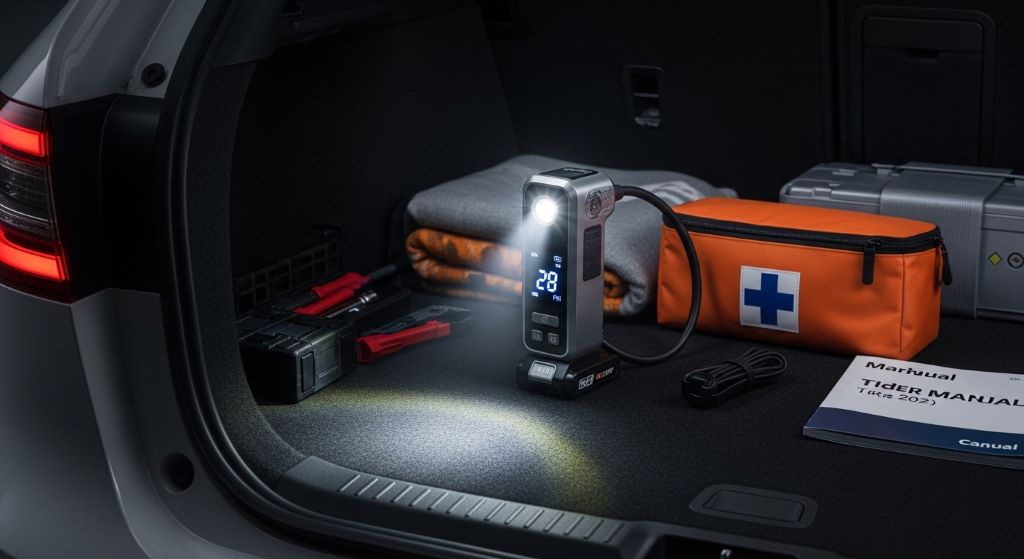
Safety features have become standard in quality inflators. Automatic shutoff prevents motor damage from overheating. Built-in LED lights illuminate work areas during nighttime emergencies. Some models include reverse polarity protection and overcharge prevention. These features protect both the device and your vehicle’s electrical system.
Essential Features to Look for in Tire Inflators
Selecting the right inflator requires understanding which features matter most. Not all specifications are equally important for every user. Consider these key characteristics when evaluating different models.
Maximum PSI determines what you can inflate. Most car tires require 30 to 35 PSI. However, having extra capacity provides versatility for other inflation needs. Devices capable of 100 PSI or more can handle bicycle tires, sports equipment, and some truck tires. Therefore, higher maximum pressure increases overall utility.
Inflation speed affects convenience significantly. Measured in liters per minute or CFM, this specification indicates how quickly the device works. Faster inflation saves time, especially when dealing with completely flat tires. However, speed must be balanced with accuracy and noise levels. The fastest models sometimes sacrifice precision or run louder than slower alternatives.
Portability encompasses size, weight, and storage considerations. Compact tire inflators fit easily in trunks or under seats without taking valuable space. Lightweight designs are easier to maneuver around vehicles. Additionally, included carrying cases protect devices during storage and transport. These factors become especially important for smaller vehicles with limited storage capacity.
Power cord length impacts usability more than most people realize. Short cords force you to park strategically or move the device between tires. Longer cords, typically 10 to 15 feet, provide flexibility to reach all tires comfortably. Moreover, some models include extension hoses that add even more reach. This convenience justifies choosing models with generous cord lengths.
Duty cycle indicates how long a device can run before needing rest. Continuous-duty models can operate indefinitely without overheating. Limited-duty devices need cooling breaks after specific intervals. Understanding duty cycles helps prevent damage and ensures reliability when you need it most. For emergency use, even limited-duty cycles usually suffice.
Built-in accessories enhance versatility significantly. Additional nozzle attachments allow inflating sports balls, pool toys, and air mattresses. Integrated storage compartments keep accessories organized and accessible. Some premium models include tire pressure monitoring integration and companion smartphone apps. These extras add value beyond basic tire inflation.
Types of Portable Inflators Available
Different inflator designs serve distinct purposes and user preferences. Understanding these categories helps narrow your search effectively. Each type offers unique advantages worth considering.
Corded electric inflators plug directly into vehicle power outlets. These devices draw power from your car’s electrical system, eliminating battery concerns. They typically provide consistent performance without runtime limitations. However, they require the vehicle engine running to prevent battery drain. This makes them ideal for roadside emergencies but less suitable for situations without vehicle access.
Battery-powered cordless models offer maximum portability and convenience. Rechargeable lithium-ion batteries power these devices anywhere, independent of vehicles. This independence proves valuable for inflating bicycle tires at home or beach toys at the park. Additionally, they work on vehicles even when engines cannot start. The tradeoff involves monitoring battery levels and occasional recharging.
Dual-power hybrid models combine both power sources. These versatile devices operate on battery power or vehicle connections interchangeably. This flexibility ensures you always have inflation capability regardless of circumstances. Moreover, using vehicle power while parked preserves battery charge for genuine emergencies. The added versatility justifies slightly higher prices for many users.
Cylinder-style inflators feature compact, cylindrical designs. These space-efficient models store easily in glove compartments or door pockets. Despite small sizes, many deliver impressive performance. However, their compact nature sometimes means smaller displays or fewer features. They excel as backup devices for emergency situations.
Heavy-duty professional models serve demanding users with larger vehicles. These robust devices handle truck tires, RV tires, and continuous commercial use. They typically cost more but provide superior durability and performance. Unless you drive large vehicles or use inflators frequently, standard models usually suffice.
Evaluating Performance Specifications
Understanding technical specifications helps compare models objectively. However, not all numbers tell the complete story. Learn to interpret these measurements meaningfully.
PSI ratings indicate maximum pressure capability. While higher numbers seem better, most users never need extreme pressures. Standard car tires rarely exceed 40 PSI. Therefore, devices rated for 120 PSI provide ample capacity with safety margin. Excessively high ratings sometimes indicate marketing rather than practical superiority.
Airflow rate determines inflation speed practically. Measured in CFM or liters per minute, higher numbers mean faster performance. A tire completely flat might take 3 to 8 minutes depending on airflow. However, most situations involve topping off partially inflated tires, which takes less time. Balanced airflow around 1.0 to 1.5 CFM handles most car tire needs efficiently.
Accuracy matters more than many specifications. Pressure gauges with 1 PSI accuracy ensure precise inflation. Some budget models show variations of 3 to 5 PSI, which compromises tire performance. Additionally, gauges should remain accurate across their entire range. Reading reviews helps identify models with consistently reliable measurements.
Noise levels affect user experience considerably. Measured in decibels, quieter models operate around 60 to 70 dB. Louder devices exceed 80 dB, comparable to busy traffic. While noise seems minor, late-night tire inflation in residential areas makes quieter operation appreciated. Furthermore, extended use of loud devices can cause hearing discomfort.
Power consumption indicates efficiency and performance potential. Higher wattage typically means more powerful motors and faster inflation. However, excessive power draw can stress vehicle electrical systems. Most effective models balance power consumption between 120 and 150 watts. This provides strong performance without risking electrical issues.
Temperature range specifications indicate operating conditions. Quality devices function in temperatures from -4°F to 140°F or wider. This ensures reliability during winter emergencies and summer heat. Additionally, automatic thermal protection prevents damage when operating limits are approached. These features prove crucial in extreme climates.
Practical Considerations for Daily Use
Beyond technical specifications, practical factors influence long-term satisfaction. Consider how you will actually use the device in real situations. These everyday considerations often matter more than impressive spec sheets.
Ease of use determines whether you will actually maintain your tires regularly. Complicated interfaces discourage frequent use, leading to neglected tire maintenance. Simple one-button operation encourages consistent pressure checks. Additionally, clear displays visible in various lighting conditions improve usability. Intuitive designs benefit all users regardless of mechanical experience.
Storage requirements affect where and how you keep your inflator. Devices with integrated cord storage prevent tangled messes in your trunk. Compact designs with protective cases prevent damage from other cargo. Moreover, organized storage means you can find and deploy the device quickly during emergencies. Messy, bulky equipment often gets left home when needed most.
Maintenance needs vary between models significantly. Some devices require periodic filter cleaning or oil changes. Others operate maintenance-free for years. Additionally, replaceable parts availability affects long-term viability. Choosing low-maintenance models reduces ownership hassle and ensures reliability.
Multi-purpose capability expands value beyond tire inflation. Models with various nozzles inflate sports equipment, air mattresses, and pool toys. This versatility justifies keeping the device accessible rather than buried in emergency kit. Furthermore, frequent use familiarizes you with operation before emergency situations arise.
Durability construction determines lifespan and reliability. Metal housings withstand impacts better than plastic. Reinforced hoses resist cracking and leaks. Additionally, quality motors tolerate repeated use without degradation. While durable models cost more initially, they provide better long-term value through extended service.
Safety Features That Matter
Safety should never be compromised when selecting inflation equipment. Quality devices include protections that prevent accidents and equipment damage. Prioritize these essential safety features.
Automatic shutoff prevents overinflation and motor damage. Once preset pressure is reached, the device stops automatically. This protects tires from damage caused by excessive pressure. Additionally, it prevents motor overheating during unattended operation. This feature transforms inflators from tools requiring constant monitoring to set-and-forget devices.
Overheat protection preserves motor life and prevents fires. Thermal sensors detect excessive temperatures and shut down operation. This prevents motor burnout during extended use or hot weather operation. Furthermore, it provides crucial safety during unattended operation. Quality models resume automatically once temperatures normalize.
LED illumination enhances safety during roadside emergencies. Bright lights illuminate work areas, preventing accidents in darkness. Additionally, some models include emergency flasher modes that alert other drivers. This visibility proves crucial when changing tires on busy roadways. Integrated lighting eliminates the need for separate flashlights.
Stable base designs prevent tipping during operation. Inflators that fall over can disconnect from valve stems, wasting time and air. Wide, rubberized bases grip surfaces securely. Moreover, some models include mounting brackets or hooks for securing during use. These features ensure consistent operation throughout the inflation process.
Reverse polarity protection safeguards vehicle electrical systems. This prevents damage when accidentally connecting power incorrectly. While quality devices include clear polarity markings, protection features provide additional safety. This proves especially valuable during stressful emergency situations when mistakes happen more easily.
Pressure relief valves prevent dangerous overinflation. If automatic shutoff fails, mechanical relief valves release excess pressure. This backup system protects both tires and the inflator itself. Additionally, manual deflation features help adjust overinflated tires without separate tools.
Budget Considerations and Value Assessment
Price ranges vary dramatically across tire inflator models. Understanding what drives costs helps identify good values. Smart shopping balances features with budget constraints effectively.
Entry-level models typically cost $20 to $40. These basic devices handle emergency inflation adequately. However, they often lack advanced features like presets or cordless operation. Additionally, build quality may sacrifice durability for affordability. For occasional emergency use, these budget options can suffice.
Mid-range options between $50 and $100 offer better balance. These devices typically include digital displays, preset functions, and improved build quality. Furthermore, they often provide cordless operation and multiple power options. For most drivers, this price range delivers optimal value and features.
Premium models exceeding $100 target serious users or commercial applications. These professional-grade devices offer superior durability, faster inflation, and advanced features. Additionally, they include comprehensive warranty coverage and better customer support. Unless you have specific demanding needs, mid-range models usually provide comparable practical performance.
Warranty coverage indicates manufacturer confidence and provides protection. Quality brands offer at least one-year warranties, with premium models extending to three years or more. Additionally, good warranties include customer service support. Reading warranty terms before purchasing prevents disappointment if issues arise.
Long-term value extends beyond initial purchase price. Durable models lasting 5 to 10 years cost less annually than cheap devices replaced repeatedly. Additionally, reliable inflation encourages regular tire maintenance, extending tire life and improving fuel efficiency. These indirect savings often justify investing in quality equipment.
Bundle packages sometimes offer additional value. Sets including carrying cases, extra nozzles, or accessory kits provide more utility. However, ensure bundle components are actually useful rather than marketing gimmicks. Compare bundle prices against individual component costs to verify genuine savings.
Making Your Final Selection
After understanding features and options, making a final decision requires personal assessment. Consider your specific circumstances and priorities. These questions guide you toward the best air pump for car maintenance that matches your needs.
Vehicle type influences ideal inflator characteristics. Compact cars need less powerful devices than trucks or SUVs. Additionally, vehicles with limited storage benefit from smaller designs. Consider whether you drive multiple vehicles requiring different capabilities. This affects whether one device suffices or specialized models serve better.
Usage frequency determines necessary durability and features. Daily drivers might justify premium models with extended warranties. Weekend vehicles might need only basic emergency equipment. Furthermore, frequent users benefit from time-saving features like fast inflation and presets. Honest assessment of expected use guides appropriate investment levels.
Storage location affects portability requirements. Trunk storage allows slightly larger models with more features. Glove compartment storage demands truly compact designs. Additionally, consider whether devices will stay in vehicles year-round or move between locations. Temperature exposure affects what models work best.
Additional inflation needs expand or limit suitable models. If you only inflate car tires, specialized devices work fine. However, multiple inflation needs justify more versatile models. Consider bicycles, sports equipment, and recreational items you might inflate. Multi-purpose capability often provides unexpected value.
Technical comfort level influences ideal complexity. Mechanically inclined users might appreciate advanced features and customization. Others prefer simple, foolproof operation. Additionally, consider who else might use the device during emergencies. Family members with varying technical skills need intuitive interfaces.
Maintaining Your Tire Inflator
Proper maintenance ensures your inflator remains reliable when needed. Simple care routines extend equipment life significantly. Following these practices protects your investment.
Regular cleaning prevents dust and debris accumulation. Wipe exterior surfaces with damp cloths after use. Additionally, check air intake filters and clean according to manufacturer guidelines. Clogged filters reduce performance and strain motors. This simple maintenance preserves efficiency and longevity.
Proper storage protects devices from damage. Keep inflators in cool, dry locations away from extreme temperatures. Additionally, store them in protective cases when not in use. Coil cords loosely to prevent wire damage. These precautions prevent premature wear and ensure readiness.
Battery maintenance applies to cordless models. Charge batteries fully before long-term storage. Additionally, exercise batteries periodically even when not actively using devices. Lithium-ion batteries benefit from occasional charge cycles. This maintains capacity and prevents degradation.
Periodic testing confirms operational readiness. Check your inflator quarterly even without needing it. This identifies issues before emergencies arise. Additionally, testing familiarizes you with operation and builds confidence. Discovering problems during routine checks beats discovering them during roadside emergencies.
Firmware updates apply to smart inflators with digital features. Some advanced models receive software improvements via companion apps. Keeping firmware current ensures optimal performance and bug fixes. Additionally, updates sometimes add new features to existing devices.
Conclusion
Selecting the right portable tire inflator requires balancing numerous factors. Performance specifications, safety features, and practical considerations all play important roles. Understanding what matters most for your specific situation guides you toward the best choice.
The best air pump for car maintenance combines reliable performance with user-friendly operation. Modern devices offer impressive capabilities in portable packages. Whether you choose corded, cordless, or hybrid models, today’s technology ensures safe and efficient tire inflation. Additionally, advanced features like automatic shutoff and digital displays make proper tire maintenance accessible to everyone.
Quality inflators provide peace of mind beyond their practical utility. Knowing you can handle tire problems independently reduces travel anxiety. Furthermore, regular pressure maintenance improves safety, extends tire life, and enhances fuel efficiency. These benefits far exceed the modest investment in quality equipment.
Take time to research options and read user reviews before purchasing. Consider your vehicle type, usage patterns, and budget constraints. The perfect compact tire inflator for your needs exists among the many excellent options available in 2026. Make an informed choice and enjoy the security of being prepared for any tire situation.
Frequently Asked Questions
How often should I check my tire pressure with a portable inflator?
Check your tire pressure at least once monthly and before long trips. Temperature changes affect pressure, so seasonal checks are especially important. Additionally, inspect tires visually each week for obvious deflation. Regular monitoring prevents issues before they become serious. Most modern inflators make this process quick and easy, taking only a few minutes for all four tires.
Can portable tire inflators handle completely flat tires?
Yes, quality portable inflators can inflate completely flat tires, though it takes longer than topping off pressure. Expect 5 to 10 minutes for a fully flat standard car tire. However, if the tire has damage causing the flat, inflating it temporarily might only get you to a repair shop. Always inspect tires for punctures or damage before inflating.
What is the difference between PSI and bar on tire inflators?
PSI (pounds per square inch) and bar are simply different pressure measurement units. One bar equals approximately 14.5 PSI. Most American vehicles specify tire pressure in PSI, while European vehicles often use bar. Quality inflators display both units, allowing easy conversion. Always inflate to your vehicle manufacturer’s recommended pressure, listed on a sticker inside the driver’s door jamb.
Can I use a car tire inflator for bicycle tires?
Yes, most car tire inflators work for bicycle tires with the correct valve adapter. However, bicycle tires often require higher pressures than car tires, sometimes exceeding 80 PSI. Ensure your inflator’s maximum PSI exceeds your bicycle tire requirements. Additionally, use lower flow settings if available to prevent overinflation, as bicycle tires inflate much faster than car tires.
How long do portable tire inflator batteries typically last?
Battery life depends on capacity and usage patterns. Quality lithium-ion batteries typically provide enough power to inflate 3 to 6 car tires per charge. However, this varies based on tire size and starting pressure. Battery lifespan measured in charge cycles usually exceeds 500 cycles, meaning years of reliable service with proper care. Store devices with partial charges rather than completely empty for optimal battery longevity.
Related Topics:
Swivel Seat Installation Common Problems: A Guide to Smooth Setup
Master Your Mobile Hub: The Ultimate Guide to RV Garage Organization for Storage and Repairs