
Denver winters create serious challenges for drivers, especially during long overnight parking hours. Temperatures in the city often fall below 20°F during winter, while nearby mountain winds make conditions feel even colder. According to climate records, Denver averages more than 60 inches of snow each year, and sudden overnight temperature drops remain common. Many drivers search for answers about how cold does a parked car get because freezing damage can happen faster than expected. Understanding why vehicles freeze faster overnight in Denver, CO helps drivers avoid expensive repairs and dangerous morning breakdowns.
Denver’s High Elevation Creates Faster Heat Loss
Denver sits around 5,280 feet above sea level, and that elevation changes how vehicles react to cold weather. Thin air at higher elevations holds less heat compared to lower regions. As a result, parked vehicles lose engine warmth much faster overnight. Even newer cars experience rapid cooling when exposed to Denver’s dry winter atmosphere.
The lower air pressure in Denver also affects fluid performance inside vehicles. Coolant systems, engine oil, and batteries all react differently at high altitude during freezing nights. Drivers often notice rough starts or delayed ignition during early mornings. In some cases, fuel systems may also struggle after extremely cold overnight exposure.
Cold weather can also increase fuel odors around vehicles after shutdown because temperature shifts affect fuel evaporation and pressure. Many drivers notice this issue during freezing mornings, especially after parking indoors overnight. Learning about car smells like gas problems can help owners identify whether winter conditions or mechanical issues cause the odor. This becomes more important during Denver’s colder months.
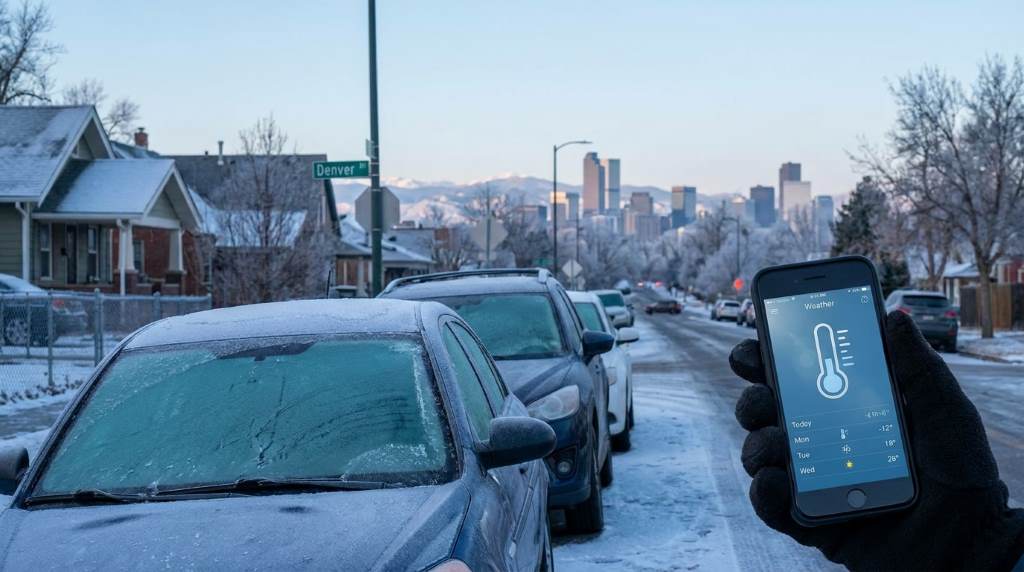
Dry Air Accelerates Overnight Freezing
Most people think humid air feels colder, but dry air actually speeds up cooling in many vehicle components. Denver’s winter climate stays relatively dry compared to coastal cities. Because moisture levels remain low, heat escapes quickly from exposed metal surfaces. Engines, radiators, and battery terminals cool rapidly after sunset.
Dry conditions also allow snow and ice to harden faster on vehicle surfaces. Frost builds quickly on windows, mirrors, and door seals overnight. Drivers often find frozen handles and stuck windows during early morning commutes. Additionally, dry air increases static buildup that can interfere with sensitive electronics in older vehicles.
Rapid Temperature Swings Stress Vehicle Systems
Denver weather changes quickly during winter, and daytime temperatures may feel comfortable before freezing overnight. A car parked after a mild afternoon still carries internal warmth from driving. However, once temperatures drop suddenly after sunset, vehicle components contract rapidly. This repeated expansion and contraction weakens seals, hoses, and battery performance over time.
Rubber materials suffer heavily during Denver freeze cycles because they lose flexibility in extreme cold. Tire pressure also drops significantly overnight when temperatures plunge. Drivers often wake up to low-pressure warnings after sudden weather changes. These fast temperature shifts place extra strain on engines that already face cold-start challenges.
Proper tire inflation becomes critical during Denver winters because underinflated tires lose traction on icy roads. Portable inflators help drivers maintain safer pressure levels before early morning commutes. Many local drivers rely on guides about best portable tire inflator options for winter travel preparation. This simple tool can prevent roadside issues during freezing mornings.
Mountain Winds Increase Overnight Cooling
Denver experiences strong nighttime winds that move down from the Rocky Mountains. These cold air currents remove residual engine heat faster than still air conditions. Wind chill affects vehicles differently than people because exposed metal surfaces cool rapidly during airflow exposure. Even covered parking areas may not fully block overnight mountain winds.
Wind-driven cooling also increases the risk of frozen locks and frozen brake components. Vehicles parked in open lots often freeze faster than those near buildings or garages. Drivers living near foothills usually experience even harsher overnight conditions. Consequently, vehicle freezing may occur hours earlier than expected during windy winter nights.
Common Wind-Related Vehicle Problems
- Frozen windshield washer lines
- Battery drain during cold starts
- Ice buildup around wheel wells
- Frozen door seals and locks
- Reduced tire pressure overnight
Cold Batteries Fail Faster in Denver Winters
Vehicle batteries lose power naturally in cold weather, but Denver’s overnight temperatures create even greater strain. Chemical reactions inside batteries slow dramatically during freezing conditions. As a result, older batteries may fail completely before morning. Short daytime drives also reduce charging efficiency during winter months.
Electric vehicles face unique challenges as well because cold temperatures reduce battery range overnight. Drivers may lose noticeable charge even while parked outside for several hours. Hybrid systems can also struggle to balance energy efficiently during deep freezes. Therefore, battery health checks become especially important before winter begins.
Signs Your Battery Suffers From Cold Weather
- Slow engine cranking
- Dim headlights during startup
- Frequent dashboard battery warnings
- Electrical glitches in cold mornings
- Need for repeated jump starts
Snow Reflection Creates Hidden Freezing Risks
One uncommon but real factor involves reflected heat loss from snow-covered surfaces around parked vehicles. Snow reflects sunlight during the day, which limits heat absorption by pavement and nearby surroundings. Once nighttime arrives, less stored ground heat remains available around parked cars. This creates colder microclimates in open parking areas.
Vehicles parked beside large snowbanks often freeze faster because cold air settles densely near accumulated snow. Blacktop surfaces surrounded by snow also cool quicker after sunset. This effect becomes stronger in suburban Denver neighborhoods with wider open spaces. Many drivers overlook this environmental factor despite its noticeable impact.
Fuel Systems React Poorly to Overnight Freezing
Fuel systems face additional stress during Denver winters because cold temperatures affect fuel vaporization. Gasoline thickens slightly during deep freezes, while moisture inside fuel lines may freeze overnight. Drivers sometimes notice hesitation or rough idling after extremely cold nights. Diesel vehicles face even greater problems because diesel fuel can gel in low temperatures.
Fuel injectors and pumps also work harder during freezing starts. Short winter trips worsen the issue because engines never fully warm up before shutdown. Consequently, moisture buildup inside fuel systems increases over time. Regular maintenance helps reduce long-term winter damage in Denver conditions.
Why Garages Do Not Always Prevent Freezing
Many drivers assume garage parking completely protects vehicles from freezing temperatures, but that belief is not always accurate. Unheated garages often stay only slightly warmer than outdoor temperatures during Denver winters. Metal garage doors lose heat rapidly overnight, especially during windy conditions. Therefore, vehicles may still experience frozen fluids and weak battery performance.
Attached garages also introduce another problem involving temperature cycling. Vehicles enter with accumulated snow that melts slightly before refreezing overnight. This process creates moisture buildup around tires, brakes, and door seals. Over time, repeated freeze-thaw cycles may increase corrosion risks inside garages.
Practical Ways to Prevent Overnight Vehicle Freezing
Drivers in Denver can reduce freezing problems through several simple habits. Parking location matters more than many people realize during winter months. Vehicles parked near buildings often stay slightly warmer because structures block wind exposure. Additionally, using protective accessories helps retain engine warmth overnight.
Helpful Winter Protection Tips
- Use a battery blanket during severe cold
- Keep fuel tanks at least half full
- Check coolant protection levels regularly
- Park facing east for morning sunlight exposure
- Use windshield covers to reduce frost buildup
- Warm engines gradually instead of revving immediately
Engine block heaters provide another effective solution for overnight parking in extremely cold areas. These devices keep engine fluids warm enough for easier morning starts. Many Denver residents use timers to activate heaters before sunrise. Although installation costs money initially, they often prevent expensive repair bills later.
The Urban Heat Island Effect Changes Freezing Patterns
Downtown Denver sometimes stays warmer overnight because buildings and roads retain daytime heat. This phenomenon, called the urban heat island effect, creates noticeable temperature differences across the city. Vehicles parked downtown may freeze slower compared to suburban or foothill locations. However, open parking garages still expose vehicles to strong overnight winds.
Suburban neighborhoods with more open land cool faster after sunset because they store less daytime heat. Cars parked near parks, empty lots, or open fields often freeze quicker overnight. Consequently, two vehicles parked only a few miles apart may experience very different morning conditions. This local climate variation surprises many new Denver residents.
Modern Vehicles Still Face Winter Vulnerabilities
Newer vehicles include advanced cold-weather systems, but modern technology cannot fully overcome Denver’s overnight climate conditions. Electronic sensors remain sensitive to temperature extremes during long outdoor parking periods. Touchscreen systems and backup cameras may respond slowly during freezing mornings. In addition, automatic braking sensors sometimes struggle with ice buildup.
Paint protection also becomes important because repeated freezing and thawing affects exterior surfaces over time. Small cracks may expand during harsh winters if owners ignore maintenance. Drivers interested in protecting vehicle finishes often explore best budget paint sprayer solutions for touch-up work and winter preparation. Preventive care helps maintain long-term vehicle condition in Denver climates.
Conclusion
Understanding why vehicles freeze faster overnight in Denver, CO helps drivers prepare for the city’s demanding winter climate. High elevation, dry air, mountain winds, and sudden temperature drops all combine to accelerate overnight freezing. While modern vehicles handle cold better than older models, no car remains fully immune to Denver’s harsh winter conditions. Smart parking habits, regular maintenance, and proper winter tools can significantly reduce freezing-related problems. If you live in Denver or plan to travel there during winter, start preparing your vehicle before temperatures fall to dangerous overnight levels.
FAQs
Why do cars freeze faster in Denver than in lower cities?
Denver’s high elevation and dry air cause vehicles to lose heat much faster overnight.
Can a car battery freeze overnight in Denver?
Yes, weak or old batteries can freeze or fail during extremely cold Denver nights.
Does parking in a garage fully prevent freezing?
No, unheated garages often stay cold enough for vehicle components to freeze overnight.
Why does tire pressure drop during Denver winters?
Cold air contracts inside tires, which lowers pressure during freezing temperatures.
What is the best way to prevent overnight freezing?
Using block heaters, battery blankets, and protected parking areas helps reduce freezing risks.